
CAMBRIDGE · LISTENING TASK GUIDE
Picture Multiple Choice
A short recording, a question, and three pictures. A2 Key has five and B1 Preliminary seven. The catch is always the same: the speakers mention what is in at least two of the pictures, and only one is the answer.
Where It Appears
| Exam | Paper and part | Questions | Marks | Counts towards |
|---|---|---|---|---|
| A2 Key | Listening, Part 1 | Q1-5 | 5 × 1 | Listening |
| B1 Preliminary | Listening, Part 1 | Q1-7 | 7 × 1 | Listening |
What You See
Each item is a short conversation or monologue with a printed question ("Where did the man leave his keys?", "What time does the film start?") and three simple pictures. You hear each recording twice.
- The pictures differ in one thing: a place, a time, an object, a price.
- Speakers often say one thing, then change it: "I thought it was on the table — no, I put it in my bag."
Worked Example
A complete picture multiple choice task at B1 Preliminary level. Work it with the answers closed, then open the key.
B1 Preliminary — Seven short recordings
For each question, choose the correct answer.
Heard twice in the exam
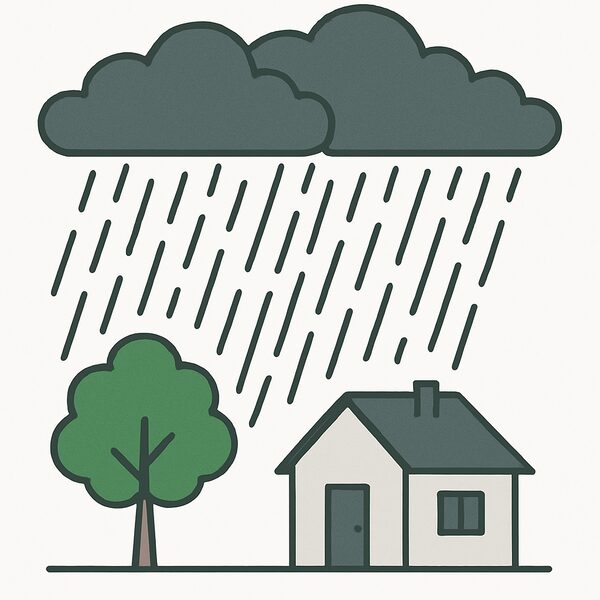
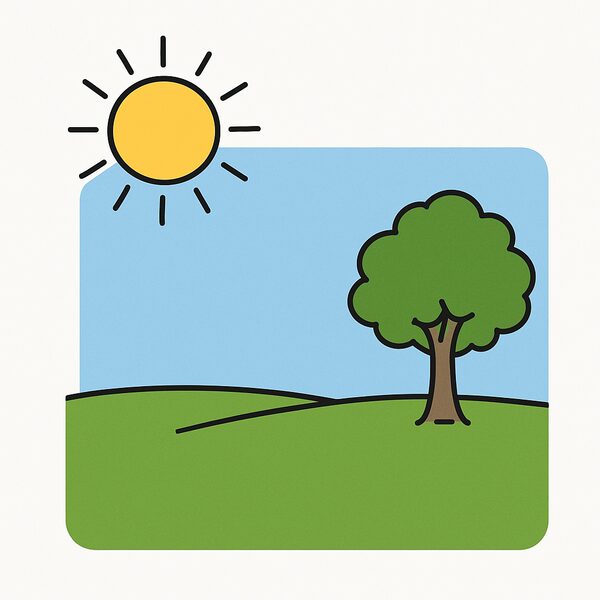
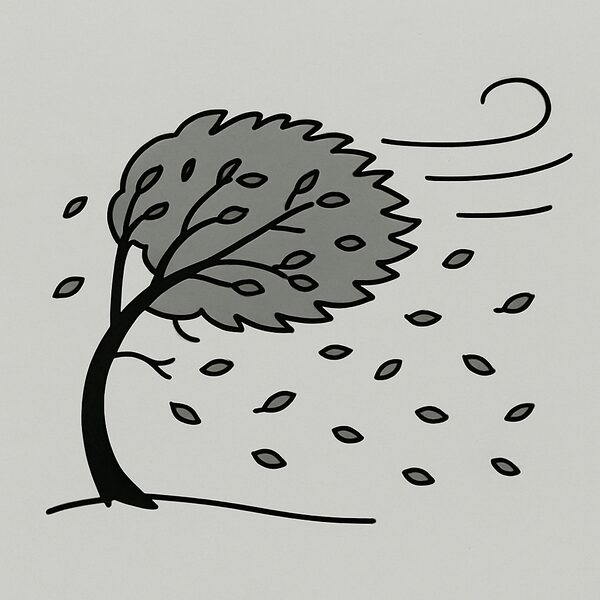
What will the weather be like on Saturday afternoon?
Heard twice in the exam
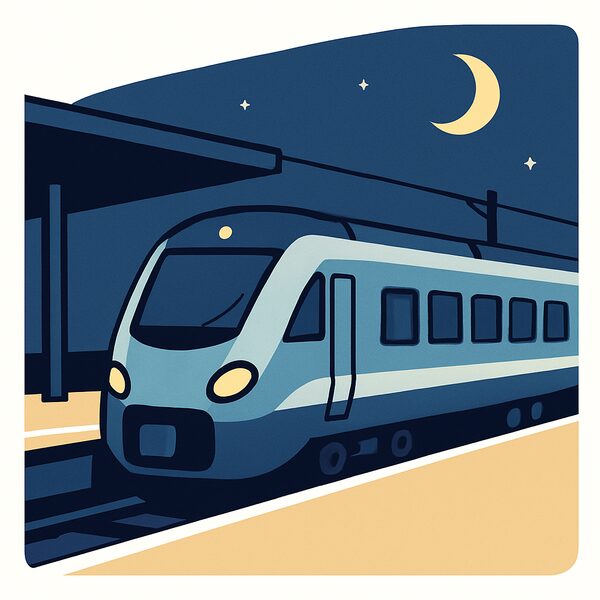
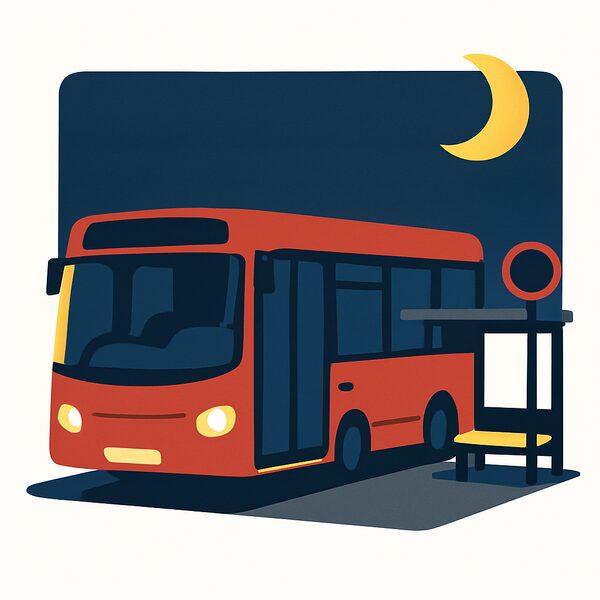
How will the woman get to the airport?

Heard twice in the exam
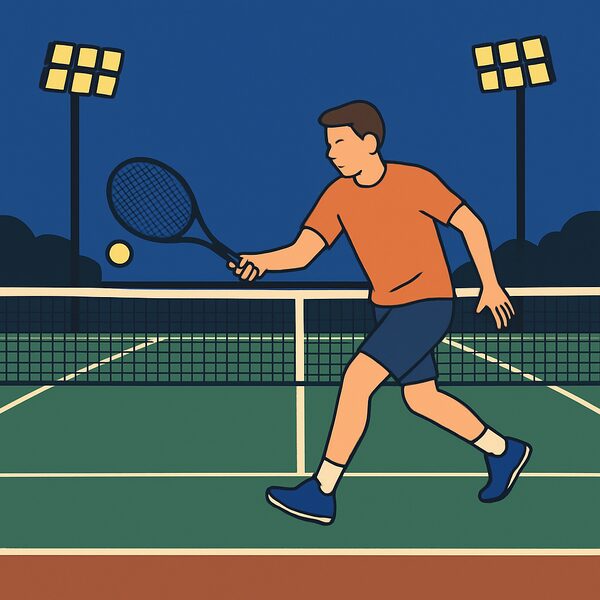
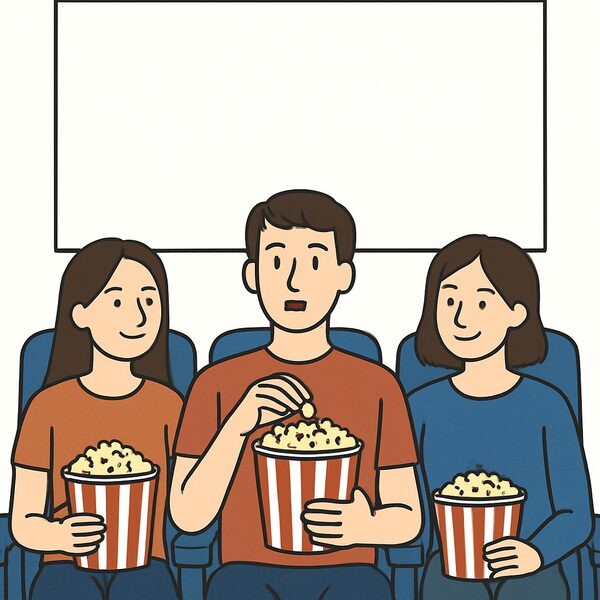
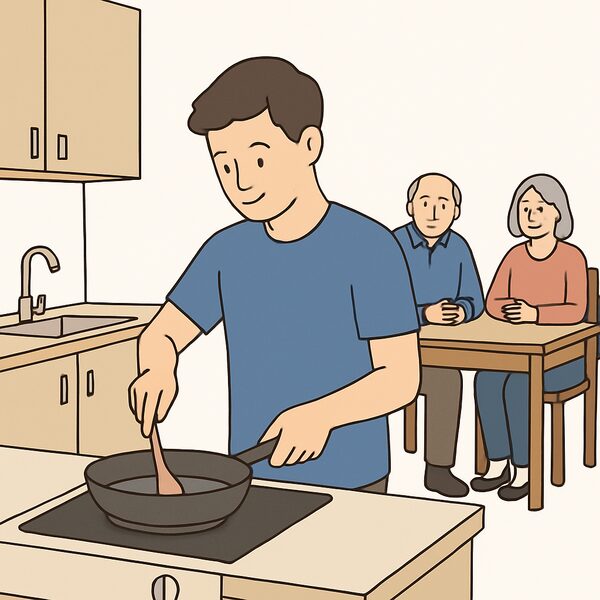
What is the man going to do this evening?
Heard twice in the exam
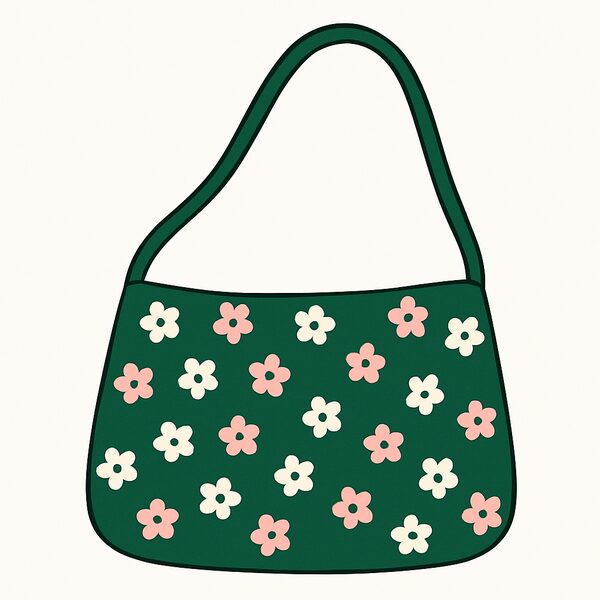
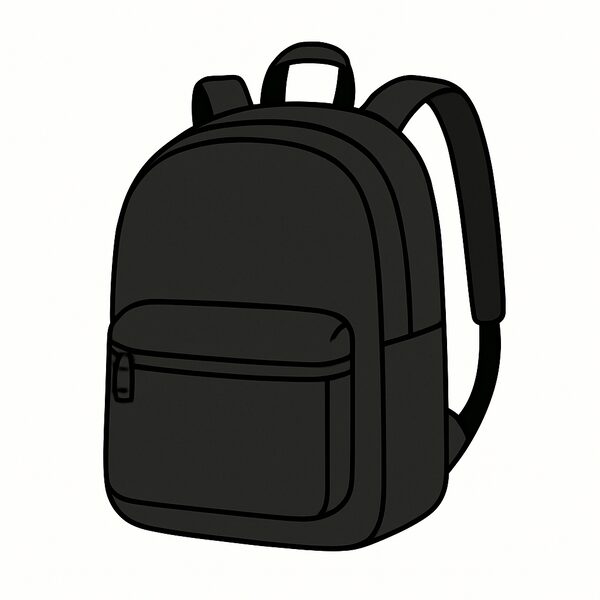
Which bag does the woman decide to buy?

Heard twice in the exam
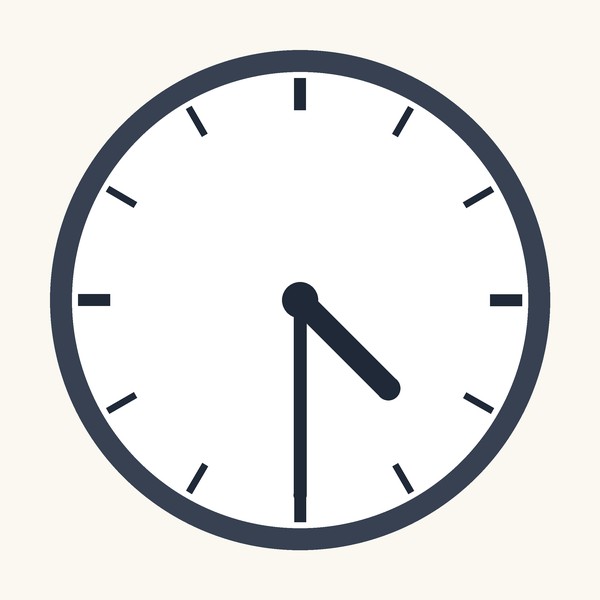
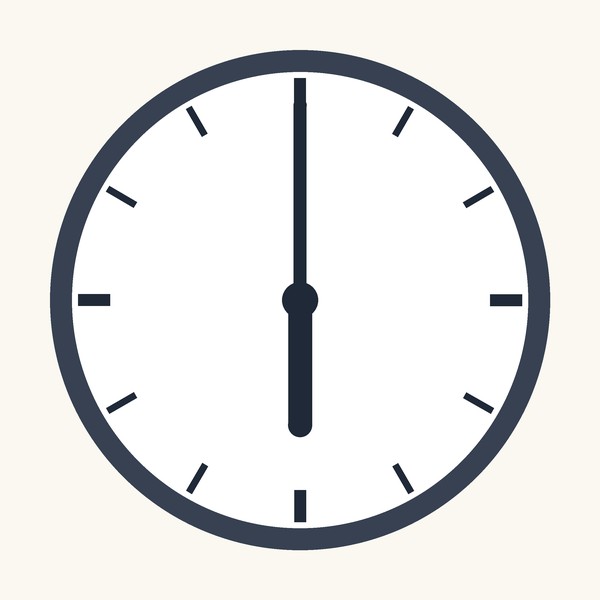
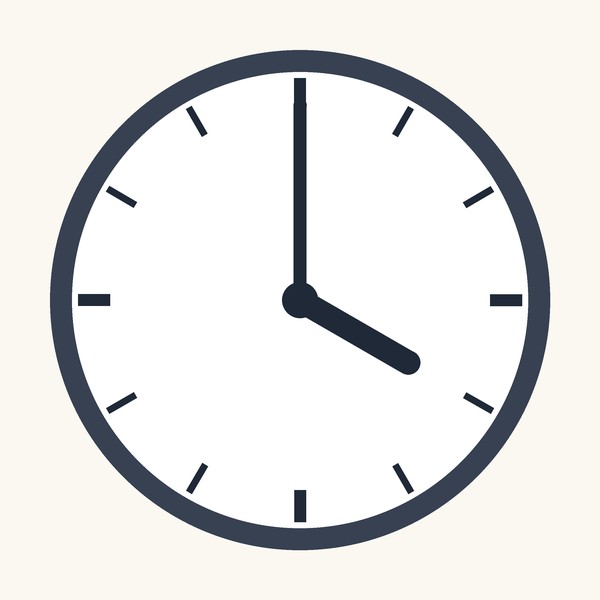
What time does the museum close on Sundays?
Heard twice in the exam
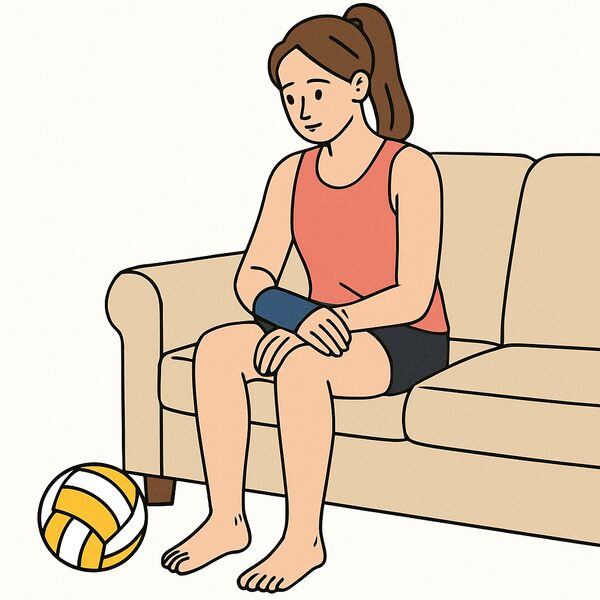
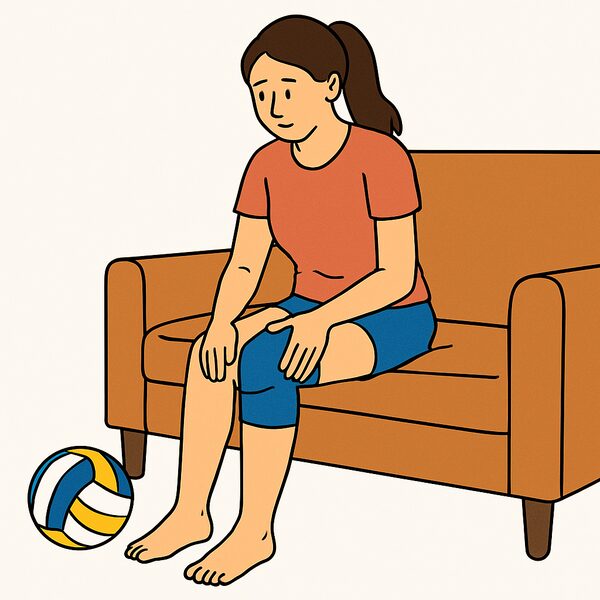
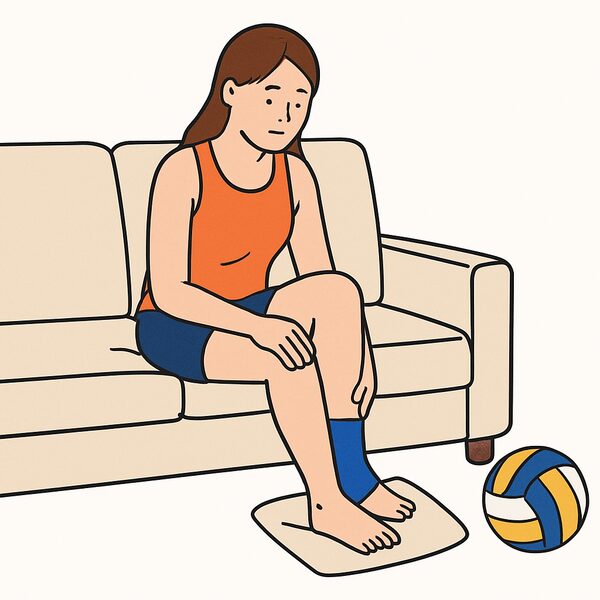
Which part of her body has the woman hurt?
Heard twice in the exam
Where are the friends going to meet?
Show answers and transcript
Answer key
1. B — The rain is only in the morning and “the afternoon will be warm and sunny”. The strong winds (C) are forecast for Sunday.
2. C — Jess decides to take the night bus. The first train is too late (B), and a taxi is too expensive (A).
3. A — He can’t go to the cinema because he has his tennis lesson at seven. He is cooking for his parents on Friday (C), not this evening.
4. B — She chooses the bag with flowers because her laptop fits and it has a long strap. The striped bag (A) is too small, and a backpack (C) isn’t smart enough for meetings.
5. A — On Sundays the museum closes “at half past four”. Six o’clock (B) is the closing time on other days, and four o’clock (C) is when the café closes on Sundays.
6. C — She says “It’s my ankle that’s the problem”. Her knee is fine (B), and her wrist is OK now (A).
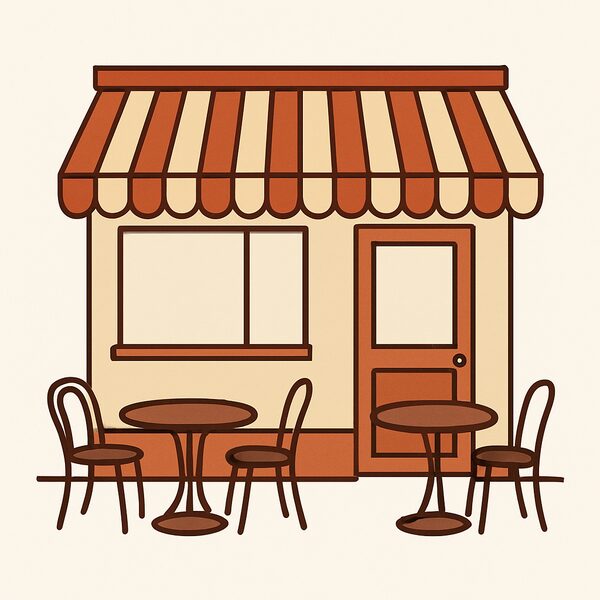
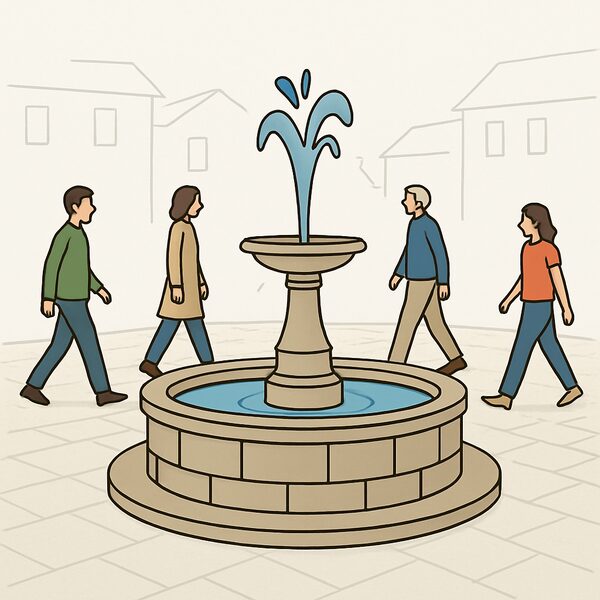
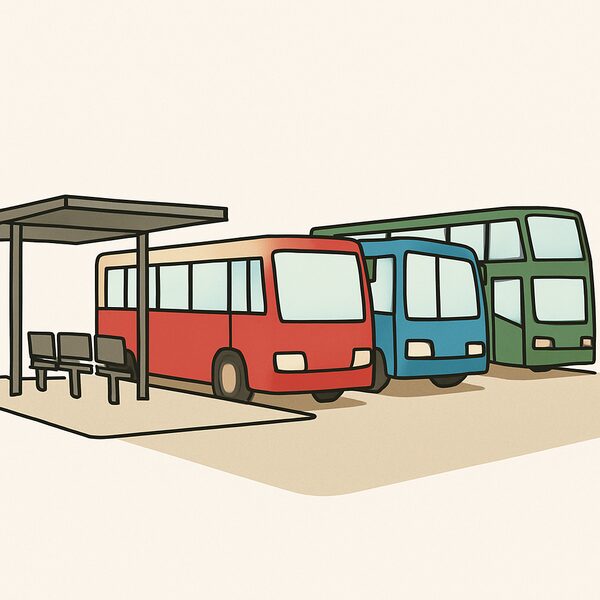
7. B — They agree to meet “by the fountain in the main square”. The bus station (C) is too crowded on Saturdays, and they won’t have time for a coffee at the café (A).
Transcript
Question 1
Narrator: Now look at the instructions for Part 1. For each question, choose the correct answer.
Narrator: One. What will the weather be like on Saturday afternoon?
Man: And now the weather for the weekend. Saturday morning will be cloudy across most of the region, and there may be some light rain over the hills early on. But that should clear by lunchtime, and the afternoon will be warm and sunny – perfect for being outside. It’s a different story on Sunday, I’m afraid, with strong winds arriving from the west during the morning.
Question 2
Narrator: Two. How will the woman get to the airport?
Man: What time’s your flight tomorrow, Jess?
Woman: Ten past seven in the morning, so I need to be at the airport by five.
Man: The trains don’t start that early, do they?
Woman: No, the first one’s at half past five, which is too late. I thought about getting a taxi, but they’re so expensive at that time of night.
Man: There’s the night bus – it goes from outside the station.
Woman: Yes, that’s what I’m going to do. It takes a bit longer, but it’s only four pounds.
Question 3
Narrator: Three. What is the man going to do this evening?
Woman: Do you want to come to the cinema with us this evening? We’re going to see that new comedy.
Man: Oh, I’d love to, but I’ve got my tennis lesson at seven.
Woman: Can’t you miss it just this once?
Man: Not really – there’s a competition next week, so I need all the practice I can get. What about going on Saturday instead? I’m cooking for my parents on Friday, but Saturday’s free.
Woman: OK, I’ll ask the others.
Question 4
Narrator: Four. Which bag does the woman decide to buy?
Woman: I really need a new bag for work. What do you think of this striped one?
Man: It’s nice, but is it big enough for your laptop?
Woman: Hmm, probably not. Maybe I should just get a backpack – they’re much better for carrying heavy things.
Man: True, but you said you wanted something smart for meetings.
Woman: That’s right. Oh, look at this one with the flowers on it. The laptop would fit in there easily, and it’s got a long strap, so I can carry it on my shoulder. Yes, I’ll take this one.
Question 5
Narrator: Five. What time does the museum close on Sundays?
Woman: Thank you for calling the City Museum. We’re open every day from ten o’clock. From Monday to Saturday we close at six, but on Sundays we close a little earlier, at half past four. Please note that the café closes half an hour before the museum, so on Sundays the last drinks are served at four. For information about our special exhibitions, please press one.
Question 6
Narrator: Six. Which part of her body has the woman hurt?
Man: What happened to you? Did you fall off your bike again?
Woman: No! I was playing volleyball on the beach. I jumped for the ball and landed badly.
Man: Is it your knee? You had problems with that last year.
Woman: No, my knee’s fine, luckily. At first I thought I’d hurt my wrist as well, because I put my hand out when I fell, but that’s OK now. It’s my ankle that’s the problem. The doctor says I can’t go running for three weeks.
Question 7
Narrator: Seven. Where are the friends going to meet?
Woman: So where shall we meet tomorrow? At the bus station?
Man: It’s always so crowded there on Saturdays. We’d never find each other.
Woman: What about that little café on the corner of Hill Street, then? We could have a coffee first.
Man: We won’t really have time – the market closes at one. Let’s just meet by the fountain in the main square. It’s right next to the market.
Woman: Good idea. Half past ten, then.
The same task type at other levels: A2 Key.
Strategy
- Look at the three pictures before the recording and name the difference between them.
- Read the question carefully. "Where did he leave" and "where is it now" have different answers.
- Listen to the end of the exchange. Changes of mind come late.
- Use the second hearing to confirm.
Common Mistakes
- Choosing the first picture mentioned.
- Answering a slightly different question from the one printed.
- Missing a correction such as "actually" or "no, wait".
How to Practise
More practice at every level is on the Cambridge Listening samples page. The whole section in context is on the Cambridge Listening page, and how it is marked is on the scoring page.