
Every listening part for all five exams, with audio, answer keys and full transcripts. In the exam each recording is played twice, so play each one twice here too, and read the questions before you press play. Open the transcript only after you have answered.
A2 Key (A2). Part 1, Part 2, Part 3, Part 4, Part 5 of the Listening paper. Timing on the real exam — Listening: About 30 minutes.
Tip: Before you listen, name the three pictures in your head. You will usually hear about all three, so don’t choose the first one you hear: wait for the speakers to agree or decide.
Questions 1–5 For each question, choose the correct answer.
Heard twice in the exam
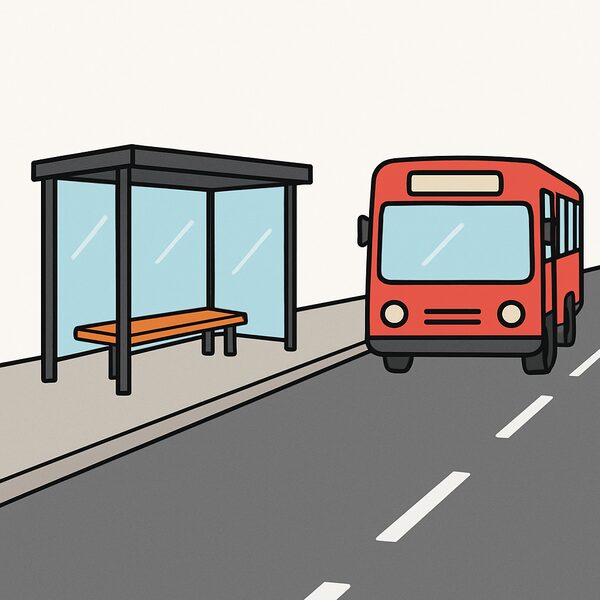
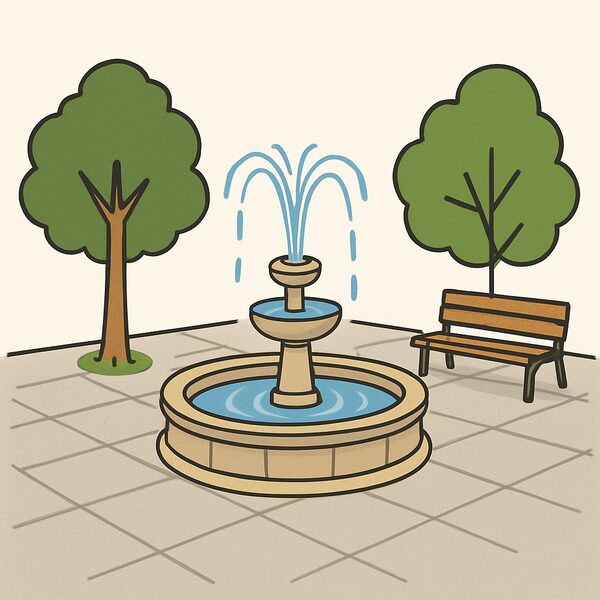
Where are the friends going to meet?

Heard twice in the exam
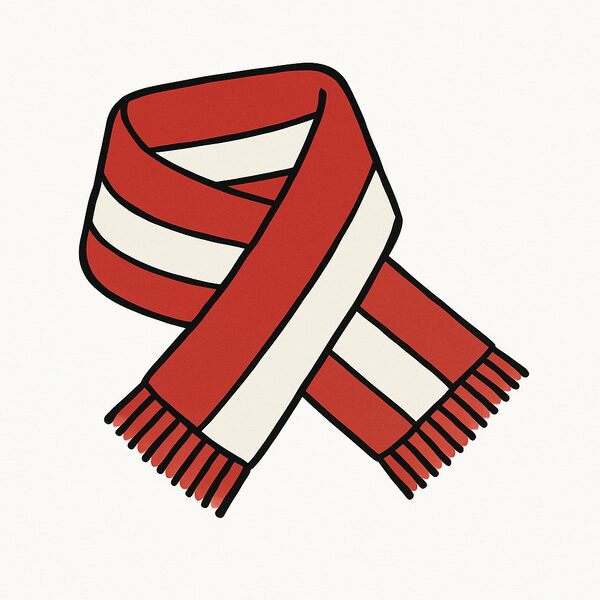
What has the woman bought for her mother’s birthday?


Heard twice in the exam
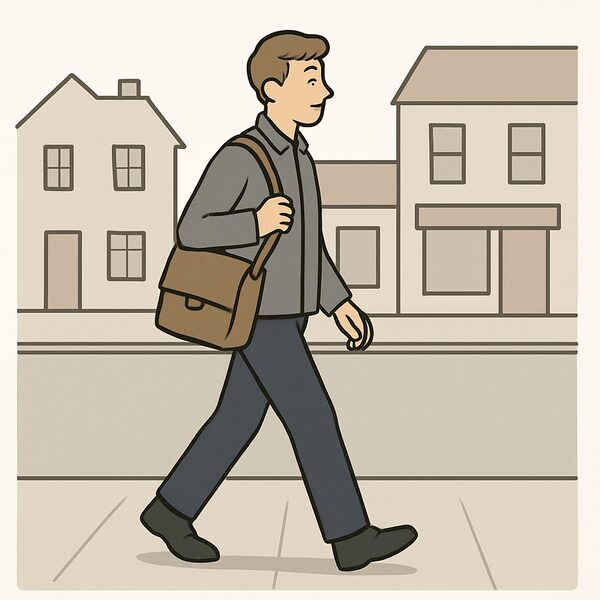
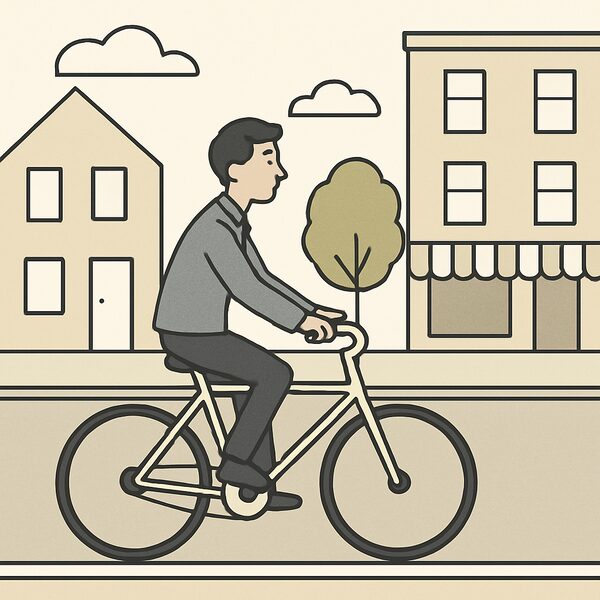
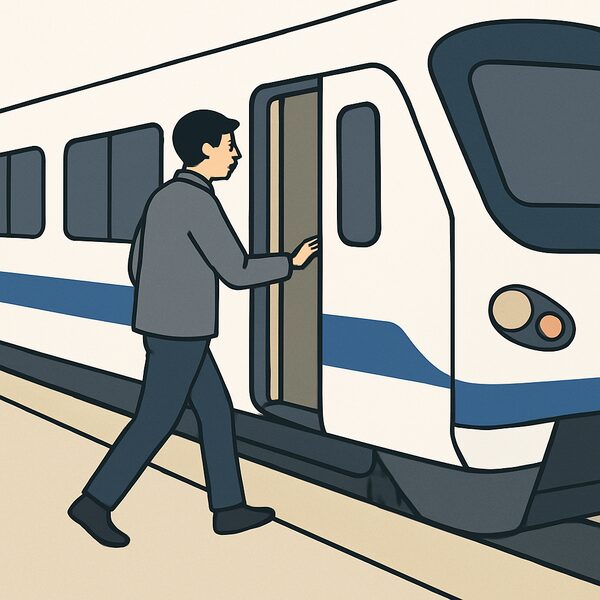
How did the man get to work today?
Heard twice in the exam
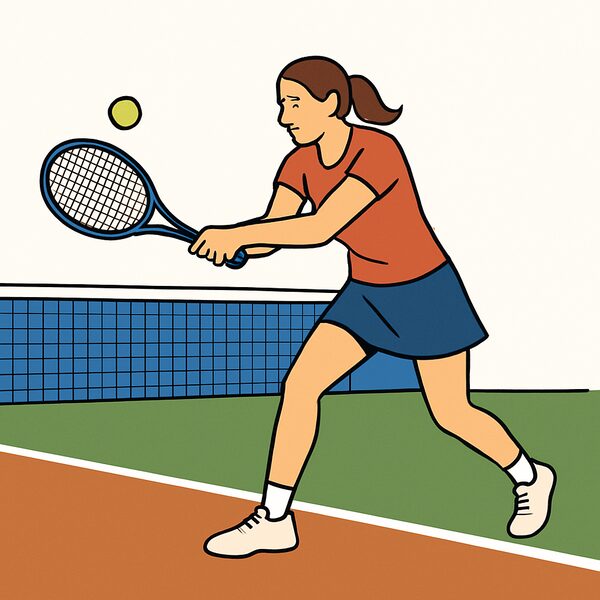
What will the woman do on Saturday?


Heard twice in the exam
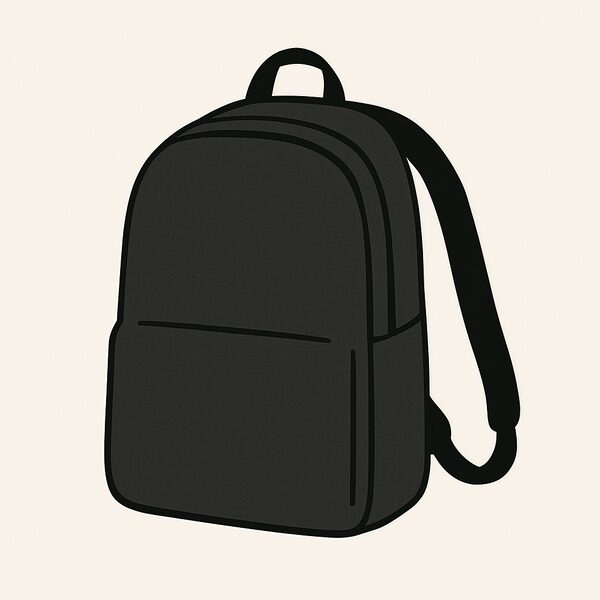
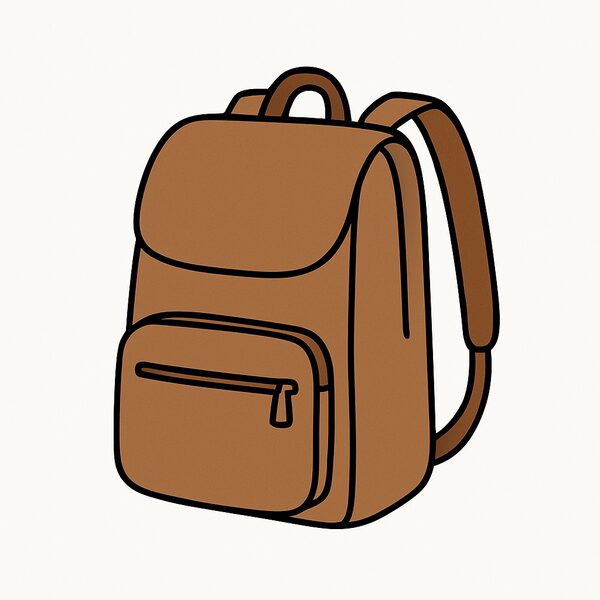
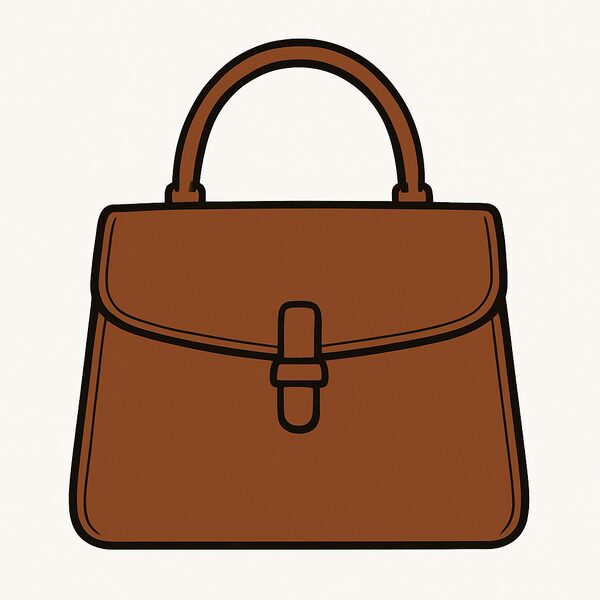
Which is the woman’s bag?
Answer key
1. B — Lisa suggests the fountain, and the man suggests the bookshop instead, but Lisa says “No, let’s say the fountain” and he agrees. The bus stop was the old plan.
2. C — She “got her a plant for the kitchen”. She didn’t buy a scarf because her mother has many, and the cups were too expensive.
3. A — Paul says “in the end I walked”. He left his bike at home because of the rain, and there was a problem with the trains.
4. C — She says “I’m going to paint the kitchen.” Tennis is cancelled because her friend has hurt her arm, and the weather is too bad for the beach.
5. B — Her bag is a brown backpack “with a small pocket on the front”. It isn’t a handbag, and the black backpack the man shows her isn’t hers.
Transcript
Question 1
Narrator: Part one. For each question, choose the correct answer. Question one. Where are the friends going to meet?
Man: Hi Lisa. Are we still meeting at the bus stop at ten tomorrow?
Woman: Well, the buses are really slow on Saturdays. Why don’t we meet in the square instead, by the fountain?
Man: Hmm, it’s always so busy there. What about outside the bookshop on the corner?
Woman: The pavement’s very narrow there. No, let’s say the fountain. It’s easy to find.
Man: OK, fine. See you there at ten.
Question 2
Narrator: Question two. What has the woman bought for her mother’s birthday?
Man: Did you find a present for your mum’s birthday?
Woman: Yes, at last! I nearly bought her a scarf, but she’s got so many already.
Man: What about one of those pretty cups from the market?
Woman: I looked at those, but they were really expensive. So I got her a plant for the kitchen. She loves anything green.
Man: Good idea.
Question 3
Narrator: Question three. How did the man get to work today?
Woman: You’re late, Paul. Did something happen to your bike again?
Man: No, the bike’s fine, but it was raining, so I left it at home. I went to the station to get the train, but there was a problem with the trains, so in the end I walked. It took me forty minutes!
Woman: Oh no. Well, go and get a coffee.
Question 4
Narrator: Question four. What will the woman do on Saturday?
Man: Are you still playing tennis with Jenny on Saturday?
Woman: No, she’s hurt her arm. I thought about going to the beach instead, but it’s going to be cloudy and cold.
Man: So what are you going to do?
Woman: I’m going to paint the kitchen. I’ve wanted to do it for months, and now I’ve got no reason not to!
Question 5
Narrator: Question five. Which is the woman’s bag?
Man: Lost property office. How can I help?
Woman: Hello. I think I left my bag on the number twelve bus this morning.
Man: What kind of bag is it? A handbag?
Woman: No, it’s a backpack. It’s brown, with a small pocket on the front.
Man: Is this it? This black one here?
Woman: No, mine’s brown. Oh, I can see it. It’s on the shelf behind you!
Tip: Read the notes before you listen and decide what kind of answer each gap needs: a time, a name, a price or a word. You will often hear two times or two prices, so listen for which one matches the note.
Questions 6–10 For each question, write the correct answer in the gap. Write one word or a number or a date or a time. You will hear a guide talking to a group of tourists about a boat trip.
River boat trip
Heard twice in the exam
Answer key
6. 10.45 (also accepted: 10:45, 10.45 a.m., 10.45am, quarter to eleven, a quarter to eleven, 10.45 am, 10:45 am, 10:45am, 10:45 a.m.) — The boat “always left at half past ten”, but this summer it leaves “at quarter to eleven”. Half past ten is now the time to be back at the ticket office.
7. Swallow (also accepted: swallow) — The guide spells the name: S-W-A-L-L-O-W. The spelling must be correct.
8. 11 (also accepted: 11.00, eleven) — A hot lunch is “eleven pounds”. £4.50 is the price of a sandwich.
9. castle — The boat stops for thirty minutes “at the castle”. You see the old church from the boat, but you don’t stop there.
10. jacket — The guide says “do bring a warm jacket with you”. You won’t need an umbrella, because it’s sunny.
Transcript
Narrator: Part two. For each question, write the correct answer in the gap. Write one word or a number or a date or a time. You will hear a guide talking to a group of tourists about a boat trip.
Man: Good morning, everyone, and welcome. I’m going to tell you about today’s boat trip along the river. In the past, the boat always left at half past ten, but this summer we’re leaving a bit later, at quarter to eleven. So please be back here at the ticket office by half past ten.
Man: There are two boats on the river, and ours is the bigger one. It’s called the Swallow. That’s S, W, A, double L, O, W. You can’t miss it. It’s blue and white.
Man: You can buy food and drinks on the boat. Sandwiches cost four pounds fifty, and if you’d like a hot lunch, with soup, a main dish and a drink, that’s eleven pounds. You pay for food on the boat, not here.
Man: On the way, you’ll see some beautiful villages and an old church on a hill, but we won’t stop there. We stop for thirty minutes at the castle, so you can walk round the gardens and take some photos.
Man: Now, it’s sunny at the moment, so you won’t need your umbrellas. But it can get cold on the water in the afternoon, so do bring a warm jacket with you. Right, has anyone got any questions?
Tip: Answers can come from either speaker, and often one person suggests something that the other says no to. Listen to the end of each part of the conversation before you choose.
Questions 11–15 For each question, choose the correct answer. You will hear Emma talking to her friend, Jack, about her new job.
Heard twice in the exam
Where is Emma’s new job?
What does Emma like most about her job?
How does Emma usually get to work?
What does Emma find difficult about the job?
What are Emma and Jack going to do on Saturday?
Answer key
11. C — Emma works “at the airport itself, at the information desk”. Someone else got the hotel job, and the café was her old job.
12. B — The other people on the desk are kind, and “That’s the best thing about it.” She says the pay isn’t very good and the changing hours aren’t easy.
13. A — “Now I go by bus.” She drove only in the first week because parking is expensive, and cycling is too far.
14. A — “The hard thing is that we stand the whole time.” She doesn’t mind getting up early now, and languages are fine because she speaks French and Spanish.
15. C — They agree to “just have dinner”, and Jack will book a table. Emma is working during the match, and she will be too tired for a film.
Transcript
Narrator: Part three. For each question, choose the correct answer. You will hear Emma talking to her friend, Jack, about her new job.
J: Hi Emma! How’s the new job going? You’re working at that hotel near the airport, aren’t you?
E: No, they gave that job to someone else. I was really disappointed, because I didn’t want to stay at the café in town. But then I got a job at the airport itself, at the information desk.
J: Oh, great. Do you like it?
E: Yes, I do. The pay isn’t very good, and my hours change every week, which isn’t easy. But the other people on the desk are really kind, and we laugh a lot. That’s the best thing about it.
J: How do you get there? Do you drive?
E: I did in the first week, but it costs twenty pounds a day to park! So now I go by bus. It stops right outside my flat. I thought about cycling, but it’s too far, really.
J: And is the work hard? I remember you hate getting up early.
E: Ha! Actually, I don’t mind that now. I’m usually awake at five anyway. And lots of travellers speak English, or I can use my French and Spanish, so that’s fine. The hard thing is that we stand the whole time. My feet really hurt at the end of the day!
J: Poor you. Are you free on Saturday? There’s a football match on. We could go and watch it.
E: I’m working until four on Saturday, so I’ll miss the match. But we could go and eat somewhere after that. What about that new Italian restaurant?
J: Good idea. Or we could see a film after dinner?
E: I think I’ll be too tired for that. Let’s just have dinner.
J: OK. I’ll book a table for seven o’clock.
Tip: These questions ask about the main idea, not one small fact. The words in the wrong options are often in the recording, so ask yourself what the speaker really means overall.
Questions 16–20 For each question, choose the correct answer.
Heard twice in the exam
You will hear a man talking to a shop assistant. What is the problem with the jacket?
Heard twice in the exam
You will hear two friends talking about a holiday. What did the woman enjoy most?
Heard twice in the exam
You will hear a woman leaving a phone message. Why is she calling?
Heard twice in the exam
You will hear a man talking to a friend about his new neighbour. What does he think of his neighbour?
Heard twice in the exam
You will hear a manager talking to her staff. What is she talking about?
Answer key
16. C — There’s “a hole here, under the arm”. The assistant asks if it’s too small, but it fits well, and his brother likes the colour.
17. A — “The best thing was walking round the old town.” The sea was too cold for swimming, and the food was “nothing special”.
18. A — She can’t come at two and asks “Could we meet at four instead?” She still wants to meet, so she isn’t cancelling, and she already has the address.
19. B — He says “she’s really nice”: she brought a cake and offered to water his plants. The piano isn’t a problem because he’s at work, and offering to water his plants shows she is helpful.
20. B — Most of the message is about a party for Tom, who is leaving. Finishing early is only for that one day, and she will talk about the computers next week.
Transcript
Question 16
Narrator: Part four. For each question, choose the correct answer. Question sixteen. You will hear a man talking to a shop assistant. What is the problem with the jacket?
Woman: Hello, can I help you?
Man: Yes, I bought this jacket here on Saturday. It’s a present for my brother.
Woman: Is it too small? We’ve got it in a large.
Man: No, he tried it on and it fits him well. And he likes the colour. Green’s his favourite. But look, there’s a hole here, under the arm.
Woman: Oh, I’m so sorry. I’ll get you another one.
Question 17
Narrator: Question seventeen. You will hear two friends talking about a holiday. What did the woman enjoy most?
Man: So, how was your holiday?
Woman: Lovely, thanks. The hotel was right next to the beach, but the sea was too cold for swimming.
Man: And the food? You love fish.
Woman: It was OK, but nothing special. No, the best thing was walking round the old town in the evenings. All those little streets and the beautiful old houses. I could do that every day.
Question 18
Narrator: Question eighteen. You will hear a woman leaving a phone message. Why is she calling?
Woman: Hello, this is Sarah Hughes, the garden designer. It’s about our meeting at your house tomorrow. I’m afraid I can’t come at two o’clock, because I have to take my car to the garage. Could we meet at four instead? I’d still really like to see your garden. And don’t worry, I’ve got your address, so I’ll find the house. Please call me back when you get this message. Thanks. Bye.
Question 19
Narrator: Question nineteen. You will hear a man talking to a friend about his new neighbour. What does he think of his neighbour?
Woman: Have you met your new neighbour yet?
Man: Yes, Anna. She moved in last week. I was a bit worried at first, because she plays the piano. But she only practises in the afternoon, when I’m at work, so that’s no problem. And she’s really nice. She came round with a cake on her first day, and she’s already offered to water my plants when I go away.
Question 20
Narrator: Question twenty. You will hear a manager talking to her staff. What is she talking about?
Woman: Right, everyone, can I have a quick word? As you know, Tom is leaving us at the end of the month, after twelve years. We’d like to say thank you, so we’re having a small party for him on Friday the twenty-eighth, in the meeting room, from four o’clock. You can all finish work an hour early that day. If you’d like to give some money for a present, please see Julie, and don’t tell Tom! Oh, and the new computers still aren’t here, so I’ll tell you about those next week.
Tip: For each person, you will usually hear one sport they didn’t do before the one they did. Wait for words like “instead” or “so”, which often come just before the answer. Two sports in the list are not used.
Questions 21–25 For each question, choose the correct answer. You will hear Sophie talking to her friend, Rob, about a sports day at her office. What sport did each person do? Example: 0 Sophie – D
Sports
Heard twice in the exam
Martin
Hannah
Leo
Grace
Omar
Answer key
21. G — Martin wanted to play football, but there weren’t enough people, “so he played tennis”.
22. B — Hannah is good at volleyball, but she hurt her hand, so “she did the cycling race instead”.
23. F — People wanted Leo to play basketball, but “he played table tennis all afternoon”.
24. A — Grace wanted to do the running, but she was late and “there was only basketball left”.
25. E — Omar usually goes cycling, but he forgot his bike, so he swam in the race at the pool.
Transcript
Narrator: Part five. For each question, choose the correct answer. You will hear Sophie talking to her friend, Rob, about a sports day at her office. What sport did each person do?
R: How was the sports day at your office, Sophie?
S: Really good fun! I did the running race in the morning. I didn’t win, but I finished, and that was the main thing.
R: Well done! What about your boss, Martin? Didn’t he want to play football?
S: He did, but there weren’t enough people for two teams. So he played tennis with a man from another department instead, and he won!
R: And Hannah? She’s really good at volleyball, isn’t she?
S: Yes, but she hurt her hand last month, so she didn’t want to play anything with a ball. She did the cycling race instead, and she came second.
R: What about Leo? He’s so tall. I’m sure he played basketball.
S: Everyone asked him to, but he says he’s terrible at it. He played table tennis all afternoon, and he was really good.
R: Did Grace do the running with you?
S: No, she wanted to, but she was late because her train was cancelled. When she got there, there was only basketball left, so she joined a team. She’s never played before, but she loved it.
R: And Omar? I know he goes cycling every weekend.
S: Yes, but he forgot to bring his bike! So he did something different. He went in the race at the sports centre pool, and he was the fastest swimmer there.
R: It sounds like a great day.
S: It was. You should come and watch next year!
B1 Preliminary (B1). Part 1, Part 2, Part 3, Part 4 of the Listening paper. Timing on the real exam — Listening: About 30 minutes.
Tip: Look at the three pictures before you listen and think about how they are different. You will usually hear something about all three, so wait until the end of the recording before you choose.
For each question, choose the correct answer.
Heard twice in the exam
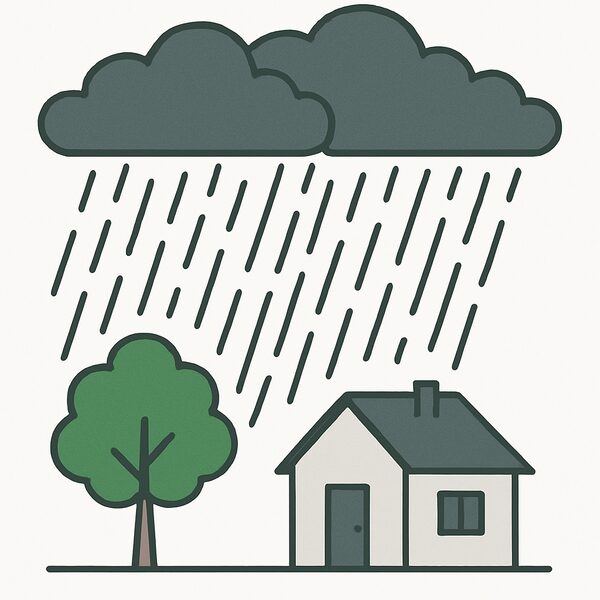
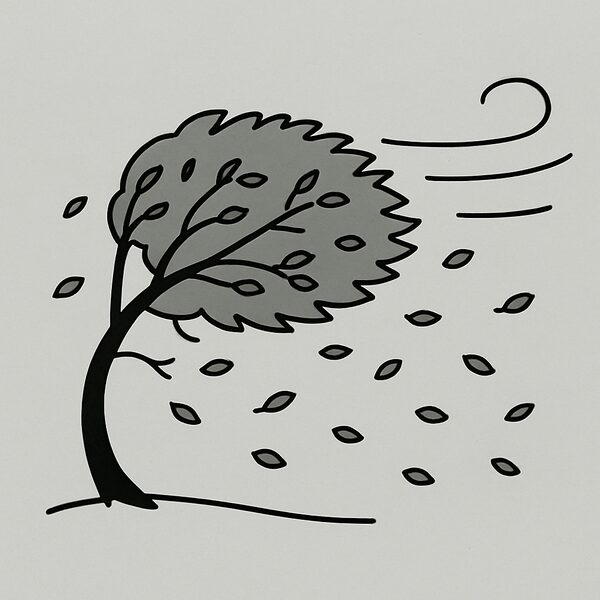
What will the weather be like on Saturday afternoon?

Heard twice in the exam
How will the woman get to the airport?



Heard twice in the exam
What is the man going to do this evening?

Heard twice in the exam
Which bag does the woman decide to buy?


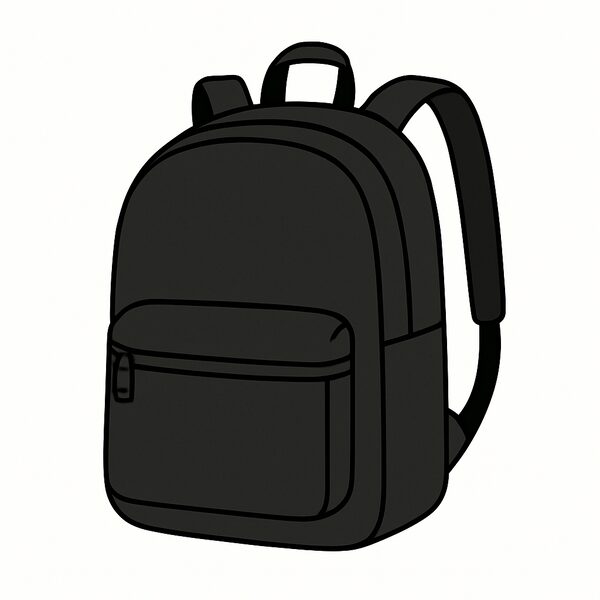
Heard twice in the exam
What time does the museum close on Sundays?



Heard twice in the exam
Which part of her body has the woman hurt?
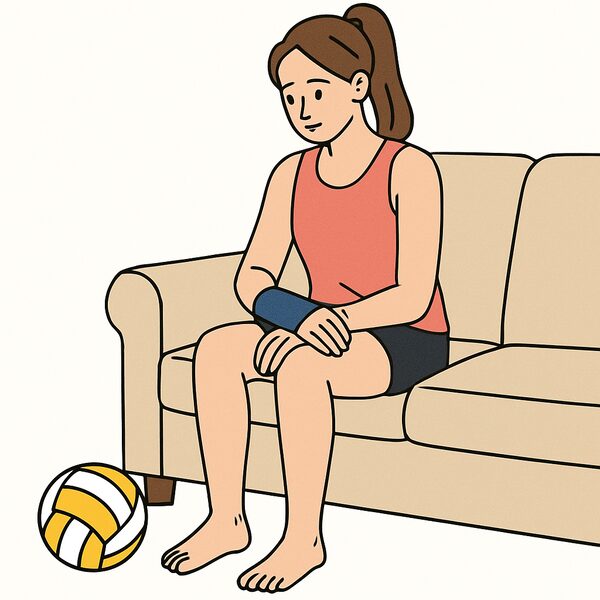
Heard twice in the exam
Where are the friends going to meet?
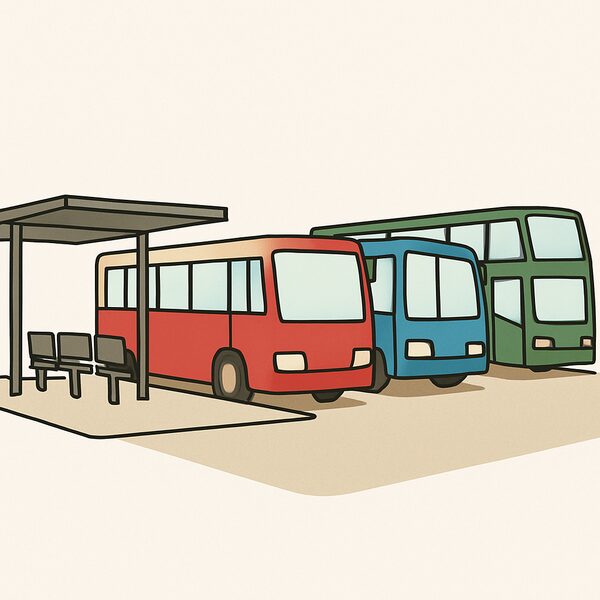
Answer key
1. B — The rain is only in the morning and “the afternoon will be warm and sunny”. The strong winds (C) are forecast for Sunday.
2. C — Jess decides to take the night bus. The first train is too late (B), and a taxi is too expensive (A).
3. A — He can’t go to the cinema because he has his tennis lesson at seven. He is cooking for his parents on Friday (C), not this evening.
4. B — She chooses the bag with flowers because her laptop fits and it has a long strap. The striped bag (A) is too small, and a backpack (C) isn’t smart enough for meetings.
5. A — On Sundays the museum closes “at half past four”. Six o’clock (B) is the closing time on other days, and four o’clock (C) is when the café closes on Sundays.
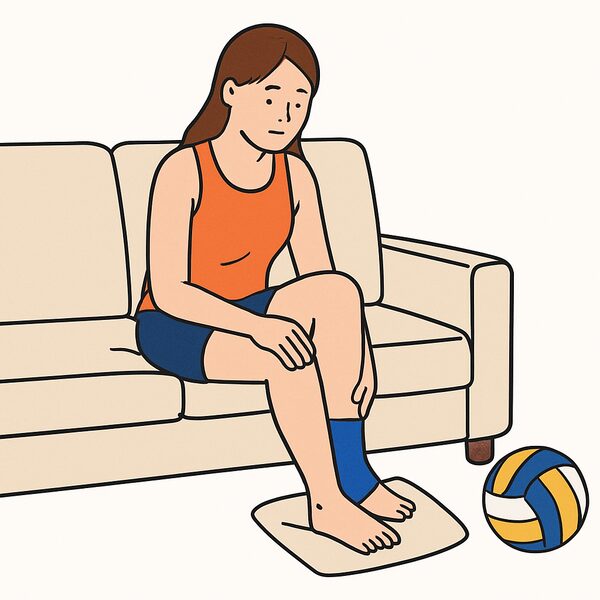
6. C — She says “It’s my ankle that’s the problem”. Her knee is fine (B), and her wrist is OK now (A).
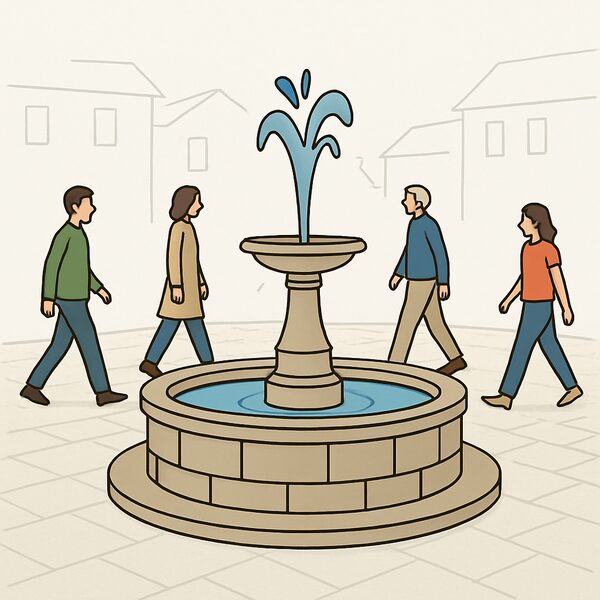
7. B — They agree to meet “by the fountain in the main square”. The bus station (C) is too crowded on Saturdays, and they won’t have time for a coffee at the café (A).
Transcript
Question 1
Narrator: Now look at the instructions for Part 1. For each question, choose the correct answer.
Narrator: One. What will the weather be like on Saturday afternoon?
Man: And now the weather for the weekend. Saturday morning will be cloudy across most of the region, and there may be some light rain over the hills early on. But that should clear by lunchtime, and the afternoon will be warm and sunny – perfect for being outside. It’s a different story on Sunday, I’m afraid, with strong winds arriving from the west during the morning.
Question 2
Narrator: Two. How will the woman get to the airport?
Man: What time’s your flight tomorrow, Jess?
Woman: Ten past seven in the morning, so I need to be at the airport by five.
Man: The trains don’t start that early, do they?
Woman: No, the first one’s at half past five, which is too late. I thought about getting a taxi, but they’re so expensive at that time of night.
Man: There’s the night bus – it goes from outside the station.
Woman: Yes, that’s what I’m going to do. It takes a bit longer, but it’s only four pounds.
Question 3
Narrator: Three. What is the man going to do this evening?
Woman: Do you want to come to the cinema with us this evening? We’re going to see that new comedy.
Man: Oh, I’d love to, but I’ve got my tennis lesson at seven.
Woman: Can’t you miss it just this once?
Man: Not really – there’s a competition next week, so I need all the practice I can get. What about going on Saturday instead? I’m cooking for my parents on Friday, but Saturday’s free.
Woman: OK, I’ll ask the others.
Question 4
Narrator: Four. Which bag does the woman decide to buy?
Woman: I really need a new bag for work. What do you think of this striped one?
Man: It’s nice, but is it big enough for your laptop?
Woman: Hmm, probably not. Maybe I should just get a backpack – they’re much better for carrying heavy things.
Man: True, but you said you wanted something smart for meetings.
Woman: That’s right. Oh, look at this one with the flowers on it. The laptop would fit in there easily, and it’s got a long strap, so I can carry it on my shoulder. Yes, I’ll take this one.
Question 5
Narrator: Five. What time does the museum close on Sundays?
Woman: Thank you for calling the City Museum. We’re open every day from ten o’clock. From Monday to Saturday we close at six, but on Sundays we close a little earlier, at half past four. Please note that the café closes half an hour before the museum, so on Sundays the last drinks are served at four. For information about our special exhibitions, please press one.
Question 6
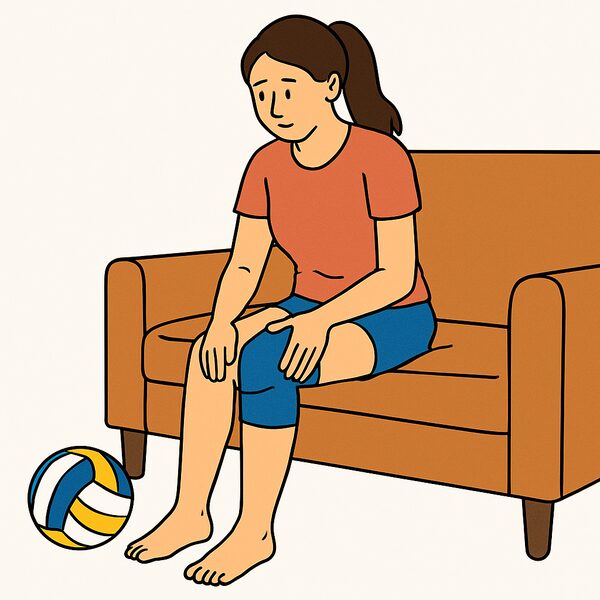
Narrator: Six. Which part of her body has the woman hurt?
Man: What happened to you? Did you fall off your bike again?
Woman: No! I was playing volleyball on the beach. I jumped for the ball and landed badly.
Man: Is it your knee? You had problems with that last year.
Woman: No, my knee’s fine, luckily. At first I thought I’d hurt my wrist as well, because I put my hand out when I fell, but that’s OK now. It’s my ankle that’s the problem. The doctor says I can’t go running for three weeks.
Question 7
Narrator: Seven. Where are the friends going to meet?
Woman: So where shall we meet tomorrow? At the bus station?
Man: It’s always so crowded there on Saturdays. We’d never find each other.
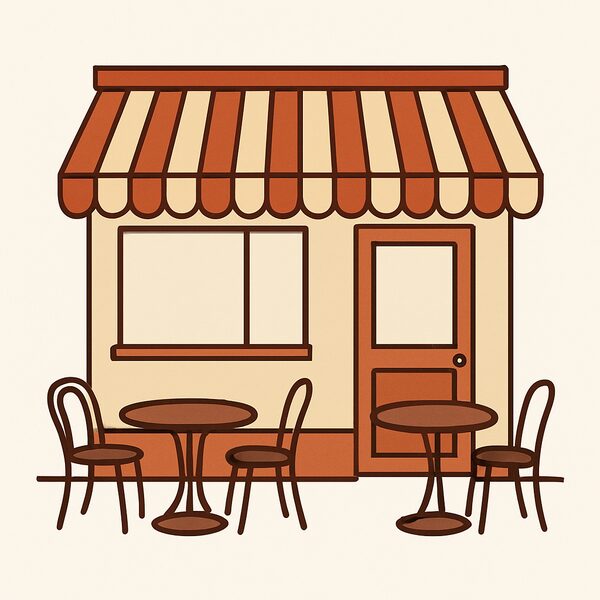
Woman: What about that little café on the corner of Hill Street, then? We could have a coffee first.
Man: We won’t really have time – the market closes at one. Let’s just meet by the fountain in the main square. It’s right next to the market.
Woman: Good idea. Half past ten, then.
Tip: These questions test the main idea or a speaker’s opinion, not a single word. Listen for how people react to each idea: words like “but”, “though” and “actually” often show that an option is wrong.
For each question, choose the correct answer.
Heard twice in the exam
What did the woman like most about the course?
Heard twice in the exam
How does the man feel about his new job?
Heard twice in the exam
They agree that
Heard twice in the exam
Why did the woman join the book club?
Heard twice in the exam
What does the man think of the series?
Heard twice in the exam
What do they decide to do for their mother?
Answer key
8. A — “What really made the difference was Andy, the teacher”, who gave her advice on every picture. She had already been to most of the places (C), and the cameras were fun but not the main thing (B).
9. C — The best thing for him is finishing at three so he can collect his children. He was nervous before, but he has learned quickly (A), and he “can’t complain” about the money (B).
10. B — Both complain about waiting nearly forty minutes for the main course. They both think the prices were fine (A), and only the woman minds the small menu (C).
11. A — She wanted to try books she would never choose herself instead of always reading crime stories. She says she didn’t go to make friends (B), and she would have gone without her neighbour (C).
12. C — He thought it would be boring, but “What I didn’t expect was how exciting it would be”. He agrees the pictures are beautiful but says you expect that (A), and he doesn’t complain about the amount of information (B).
13. B — They agree to buy tickets for the boat trip she often talks about. Lunch out (A) didn’t work last year, and she already has too many plants (C).
Transcript
Question 8
Narrator: Now look at Part 2. For each question, choose the correct answer.
Narrator: Question 8. You will hear two friends talking about a photography course the woman went on.
Man: So how was the photography course?
Woman: Really good. We went to some amazing places – an old factory, the harbour at sunrise… although, to be honest, I’d already been to most of them on my own.
Man: And did you get to use proper cameras?
Woman: Yes, they lent us some really expensive ones, which was fun, but I’ll never be able to afford one like that. What really made the difference was Andy, the teacher. He looked at every picture I took and told me exactly how to make it better. I’ve learned so much.
Question 9
Narrator: Question 9. You will hear a man telling a friend about his new job.
Woman: You started at the hotel on Monday, didn’t you? How’s it going? You were a bit nervous about it.
Man: I was, but actually I’ve picked everything up quite quickly. The money’s not amazing, but it’s about the same as I was getting before, so I can’t complain.
Woman: That’s good.
Man: And the best thing is, I finish at three every day, so I can pick the kids up from school. I didn’t expect that at all.
Woman: Oh, that’s brilliant.
Question 10
Narrator: Question 10. You will hear two friends talking about a restaurant they’ve just been to.
Woman: Well, what did you think?
Man: My fish was lovely. And it wasn’t as expensive as I thought it would be.
Woman: No, the prices were fine. There weren’t many dishes to choose from, though.
Man: I didn’t mind that – it means everything’s fresh. What I didn’t like was waiting nearly forty minutes for our main course.
Woman: I know! I almost fell asleep. The waiter kept saying “Five more minutes”.
Question 11
Narrator: Question 11. You will hear a woman telling a friend about a book club she has joined.
Woman: I’ve joined a book club at the library.
Man: Really? I thought you already read loads.
Woman: I do, but it’s always the same kind of thing – crime stories, mainly. I wanted something that would make me try books I’d never choose myself.
Man: Did someone tell you about it?
Woman: My neighbour, actually – she’s a member. But I’d have gone anyway. And everyone’s very nice, but I didn’t go to make friends – I’ve got plenty of those!
Question 12
Narrator: Question 12. You will hear two friends talking about a TV series about the ocean.
Woman: Have you been watching that new series about the ocean?
Man: Yes, I’ve seen the first three programmes. I thought it would be a bit boring, to be honest – just lots of fish swimming about.
Woman: The pictures are beautiful, though.
Man: They are, but you expect that these days. What I didn’t expect was how exciting it would be. That bit where the young whale was trying to escape from the killer whales – I couldn’t stop watching!
Woman: Me neither. And there’s so much information in it.
Man: Mm, I’m not sure how much of that I remember!
Question 13
Narrator: Question 13. You will hear a brother and sister talking about a present for their mother’s birthday.
Woman: Mum’s birthday’s on Sunday. Any ideas?
Man: We could take her out for lunch somewhere nice.
Woman: We did that last year, and she said afterwards she’d rather have stayed at home. What about a plant for the garden? She loves gardening.
Man: She’s got so many plants she’s running out of space! You know what she’s always talking about – that boat trip along the coast. Why don’t we get her tickets for that?
Woman: Perfect. And we could go with her.
Tip: Before you listen, decide what kind of word each gap needs: a number, a thing, a place. The speaker often mentions a wrong answer first, so keep listening after you hear a possible word.
For each question, write the correct answer in the gap. Write one or two words or a number or a date or a time.
Heard twice in the exam
Hartmoor Castle tour
Answer key
14. 900 (also accepted: nine hundred) — The oldest part, the tower, “was built nine hundred years ago”. Five hundred years is the age visitors often guess, which is true only of some parts.
15. wool — The family “became very rich by selling wool”. Fish farming is mentioned, but it was not successful.
16. map — Opposite the fireplace there is “a very old map of the area”. The fireplace is what visitors usually notice, not what Fiona tells them to look for.
17. library — Cameras and phones must be put away “in the library”. Photos are allowed in the bedrooms and the kitchen.
18. roses — Fiona says people travel to see the roses, not the fountains they may have read about.
19. cheese — The cheese from the castle farm is free. Visitors have to pay for the cakes.
Transcript
Narrator: Now look at Part 3. For each question, write the correct answer in the gap. Write one or two words or a number or a date or a time. Look at Questions 14 to 19 now. You have 20 seconds.
Narrator: You will hear a tour guide called Fiona talking to visitors at Hartmoor Castle.
F: Good morning, everyone, and welcome to Hartmoor Castle. My name’s Fiona, and I’ll be your guide today. The tour takes about an hour and a quarter, and we’ll finish in the café.
F: Before we start, a little history. Lots of visitors guess that the castle is about five hundred years old, and some parts of it are. But the oldest part – the tower you can see on your left – was built nine hundred years ago.
F: The family who built the castle became very rich by selling wool. There were thousands of sheep on these hills in those days. Later, the family tried farming fish in the lake, but that was never very successful.
F: Our first stop will be the Great Hall. Everyone always notices the huge fireplace, but look carefully at the wall opposite it, and you’ll see a very old map of the area. It was drawn by hand over four hundred years ago, and it’s the only one of its kind in the country.
F: You’re welcome to take photos in most of the rooms, including the bedrooms and the kitchen. But in the library, please put your cameras and phones away, because the light can damage the old books.
F: After the house, we’ll walk through the gardens. You may have read that they’re famous for their fountains, but actually it’s the roses that people travel here to see. There are over two hundred different kinds.
F: And finally, in the café you’ll be able to try some cheese that’s made on the castle farm – completely free. The cakes are delicious too, but I’m afraid you’ll have to pay for those! Right, if everyone’s ready, please follow me.
Tip: Use the 45 seconds to read the questions and underline the key words. The questions follow the order of the interview, and the speaker often mentions all three options, so listen for the one she actually agrees with.
For each question, choose the correct answer.
Heard twice in the exam
Why did Kate decide to join the mountain rescue team?
What did Kate find most difficult about the training?
What does Kate say about the calls the team receives?
How did Kate feel at the end of the rescue she describes?
What is Kate’s most important advice for walkers?
What is Kate looking forward to?
Answer key
20. A — She met team members practising a rescue, and they told her they needed more volunteers. She says people wrongly think someone she knew had an accident (B), and her parents only took her walking (C).
21. C — Using a map and radio “in the dark and in heavy rain” was really difficult for her. She was already fit (A) and had done a first aid course (B).
22. B — Winter is quieter, “but the rescues are usually more serious then”. Summer is the busiest time (A), and most calls come in the afternoon (C).
23. C — She remembers “knowing that what we’d done really mattered”. She was tired, but the moment with the man’s wife was what stayed with her (A). The man’s calm behaviour (B) was when they first reached him, not at the end.
24. A — “The most important thing is to tell someone exactly where you’re going and when you’ll be back.” Most people already have the right clothes (B), and phones often don’t work in the hills (C).
25. B — She says “What I’m really looking forward to is going into local schools”. The vehicle is the treasurer’s job (A), and the bigger base won’t happen for years (C).
Transcript
Narrator: Now look at Part 4. For each question, choose the correct answer. Look at Questions 20 to 25 now. You have 45 seconds.
Narrator: You will hear an interview with a woman called Kate Morgan, who is a volunteer with a mountain rescue team.
Man: On today’s programme I’m talking to Kate Morgan, who works in a bank during the week but spends a lot of her free time as a volunteer with a mountain rescue team. Kate, how did you first get involved?
K: Well, I’ve always loved walking in the hills – my parents took me almost every weekend when I was growing up. People often think I joined because someone I knew had had an accident, but that’s not the case. About five years ago I was out walking and I met some members of the team who were practising a rescue. They were really friendly, and they told me they needed more volunteers, especially people who knew the area. I filled in the form the next week.
Man: And what was the training like?
K: Harder than I’d expected. I was already quite fit, so the physical side wasn’t a problem. And I’d done a first aid course at work, which helped a lot. What I found really difficult was using a map and the radio at the same time, often in the dark and in heavy rain. It took me months to feel confident about finding my way.
Man: How often does the team get called out?
K: It depends on the time of year. In summer we can get three or four calls a week, because there are so many visitors. The winter’s quieter, but the rescues are usually more serious then, because of the snow and ice. People imagine we’re always going out in the middle of the night, but actually most calls come in the afternoon, when walkers realise they’re lost.
Man: Can you tell us about a rescue you remember well?
K: There was one last October. A man had hurt his leg on a steep path and it was getting dark. When we reached him, he was cold but surprisingly calm – he kept saying sorry for causing so much trouble. It took six of us three hours to carry him down. I was so tired by the end. But when we got to the ambulance, his wife was waiting there, and she hugged every one of us. That’s the moment I remember most – knowing that what we’d done really mattered.
Man: What advice would you give to people walking in the hills?
K: Most people have good boots and waterproof clothes these days, so that’s not usually the problem. And everyone has a phone – but batteries run out, and there often isn’t a signal up there anyway. The most important thing is to tell someone exactly where you’re going and when you’ll be back. If nobody knows you’re missing, nobody comes to look for you.
Man: And finally, what are the team’s plans for the future?
K: We’re raising money for a new vehicle at the moment – ours is fifteen years old – but that’s really the treasurer’s job. Some of the team would like a bigger base, but that won’t happen for a few years. What I’m really looking forward to is going into local schools to teach children about staying safe outdoors. We start next month.
Man: Kate Morgan, thank you very much.
B2 First (B2). Part 1, Part 2, Part 3, Part 4 of the Listening paper. Timing on the real exam — Listening: About 40 minutes.
Tip: The speakers usually mention all three options, so don’t choose an answer as soon as you hear a word from it. Listen for the speaker’s final view, and use the second listening to check why the other two options are wrong.
You will hear people talking in eight different situations. For questions 1–8, choose the best answer (A, B or C).
Heard twice in the exam
You hear a woman talking about a cooking course she went on. What did she find most useful about it?
Heard twice in the exam
You hear two friends talking about a television documentary. What do they agree about?
Heard twice in the exam
You hear a man leaving a message for a colleague. Why is he calling her?
Heard twice in the exam
You hear a woman talking about moving to the countryside. How does she feel about the move now?
Heard twice in the exam
You hear two students talking about a group project. What is the man worried about?
Heard twice in the exam
You hear a guide speaking to a group of visitors at a castle. What is he doing?
Heard twice in the exam
You hear a young man talking about running his first marathon. What does he say about his preparation?
Heard twice in the exam
You hear two friends talking about a café that has just opened. What does the woman like about it?
Answer key
1. B — She says the thing that has ‘changed the way I cook’ is learning to hold the knife differently and chop onions. She has ‘hardly opened’ the recipe booklet (C), and she already knew most of the advice about buying fish and vegetables (A).
2. A — The man is amazed by the shots and the woman replies ‘it was absolutely stunning’. She thinks it was too long but he could have watched more (B), and he found the presenter annoying but she ‘didn’t mind him’ (C).
3. C — The meeting has moved from the usual room to ‘the small room next to reception’. He decides not to ask for the printouts because Sam will bring them (A), and his apology is about lunch, not a meeting (B).
4. B — She asks herself ‘why on earth didn’t we do this years ago?’. Her friends asked when she was coming back, but she says she isn’t lonely (A), and shopping is now ‘no bother’ (C).
5. C — Oliver says his section is nearly ready ‘but nobody’s seen a word of it’, and the man is afraid he will have to write it himself. The group is ‘pretty much on schedule’ (A), and cutting slides will solve the time limit (B).
6. A — Because the tower staircase is being repaired, the tour will end in the kitchens instead of the tower. He says it will ‘still take about an hour, as advertised’ (B), and the history will come later, ‘as we go round’ (C).
7. B — He ran ‘about twice’ the planned distance in the first weeks and injured his knee. He had a plan from the start but ignored it (A), and he says his shoes were not ‘the issue’ (C).
8. C — She likes the armchairs, the quiet music and the fact that ‘nobody hurries you out’. She thinks the cakes are only ‘OK’ (B) and complains that a small coffee costs four pounds (A).
Transcript
Question 1
Narrator: Part 1. You will hear people talking in eight different situations. For questions 1 to 8, choose the best answer, A, B or C.
Narrator: One. You hear a woman talking about a cooking course she went on.
Woman: I’d put off doing a cooking course for ages, and I only booked this one because a friend was going. I thought I’d come home with loads of new recipes, and we did get a little booklet, but to be honest I’ve hardly opened it. The chef spent quite a while on how to pick good fish and vegetables at the market, which was interesting enough, though I knew most of it already. What’s actually changed the way I cook is the first half hour, when he made us hold the knife differently and practise chopping onions over and over. I’m so much quicker now, and I don’t feel like I’m about to lose a finger.
Question 2
Narrator: Two. You hear two friends talking about a television documentary.
Woman: Did you see that programme about the Arctic last night?
Man: Yeah, I did. I couldn’t believe some of those shots – the one of the whale coming up right under the ice. How do they even get a camera there?
Woman: I know, it was absolutely stunning. I did think it went on a bit, though. An hour and a half is a lot.
Man: Really? I could’ve watched another hour. The only thing that got on my nerves was the presenter – all that whispering.
Woman: Oh, I didn’t mind him. I think he just didn’t want to frighten the animals.
Man: Maybe. Anyway, the pictures were something else.
Question 3
Narrator: Three. You hear a man leaving a message for a colleague.
Man: Hi Rachel, it’s Declan. Just a quick one about tomorrow’s meeting with the designers. It’s still at ten, don’t worry, but we won’t be in the usual place – the heating’s broken on the third floor, apparently. So we’ll be in the small room next to reception instead. I was going to ask you to bring printouts of the new plans, but Sam says he’ll sort those out, so there’s no need. Oh, and sorry I didn’t catch you at lunch today – I got stuck on a call. Anyway, see you at ten.
Question 4
Narrator: Four. You hear a woman talking about moving to the countryside.
Woman: When we first moved out here, I’ll admit I had my doubts. The nearest shop’s a twenty-minute drive, and that first winter the road was blocked by snow twice. My friends back in town kept asking when I was coming back. But I’ve got used to planning ahead – I do one big shop a week now, and it’s really no bother. And it’s not as if I’m lonely; the village is actually far friendlier than the street where we used to live. Some mornings I stand at the window with my coffee, looking at the hills, and I think, why on earth didn’t we do this years ago?
Question 5
Narrator: Five. You hear two students talking about a group project.
Woman: So how’s the project going? You’re presenting on Friday, aren’t you?
Man: Yeah. Actually, we’re pretty much on schedule – the research is done and the slides are nearly finished.
Woman: That’s good. So why the long face?
Man: It’s Oliver. He was supposed to write the section on costs, and he keeps saying it’s nearly ready, but nobody’s seen a word of it. I don’t want to end up doing it myself the night before.
Woman: Have you talked to him about it?
Man: Not yet. Oh, and the tutor says it has to be under fifteen minutes, but we’ll manage that if we cut a couple of slides.
Question 6
Narrator: Six. You hear a guide speaking to a group of visitors at a castle.
Man: Good morning, everyone, and welcome. Before we set off, I’m afraid there’s been a small change to what it says on your tickets. Normally we’d finish at the top of the north tower, but the staircase is being repaired this week, so we’ll be ending in the old kitchens instead – which, between you and me, is most people’s favourite room anyway. Don’t worry, it’ll still take about an hour, as advertised, and you’ll hear all about the family who built the place as we go round. Right, if you’d like to follow me.
Question 7
Narrator: Seven. You hear a young man talking about running his first marathon.
Man: People assume the hardest part of a marathon is the race itself, but for me it was the months before. I’d downloaded a proper training plan and everything, but I was so keen that I ignored it and ran about twice what it said in the first few weeks. By week five my knee was in a terrible state and I had to stop completely for a fortnight. After that I stuck to the plan religiously. I’d bought decent shoes from a specialist shop, so that wasn’t the issue. I did finish in the end – but if I’d taken it easier at the start, I reckon I’d have been twenty minutes quicker.
Question 8
Narrator: Eight. You hear two friends talking about a café that has just opened.
Man: Have you been to that new café by the station yet?
Woman: Twice, actually. I went on Saturday with my sister, and again on Sunday.
Man: And? I’ve heard the cakes are amazing.
Woman: They’re OK – nothing I couldn’t get at the bakery, to be honest. And it’s not cheap, either. Four pounds for a small coffee!
Man: Ouch. So why did you go back?
Woman: Well, it’s just such a nice place to sit. They’ve got these big old armchairs, the music’s quiet enough to have a proper conversation, and nobody hurries you out. I sat there with a book for two hours on Sunday.
Tip: Before you listen, read each sentence and predict the kind of word you need (a job, a number, a place). The words you write are said on the recording, but the sentence around the gap is usually expressed differently.
You will hear a man called Ben Marsh talking about the summer he spent as a volunteer counting seabirds on a small island. For questions 9–18, complete the sentences with a word or short phrase.
Heard twice in the exam
A summer counting seabirds
Answer key
9. birdwatching magazine (also accepted: magazine, bird-watching magazine, bird watching magazine) — Ben saw ‘an advert in a birdwatching magazine’. His friend’s conservation holiday made him think about volunteering, but it was not where he saw the job.
10. hotel receptionist (also accepted: receptionist) — He ‘had been working as a hotel receptionist for three years’. People assume he was a biology student, but he says ‘I wasn’t’.
11. two kilometres (also accepted: 2 kilometres, 2 km, two km, 2 kilometers, two kilometers, 2km) — ‘It’s only two kilometres long.’ The ten minutes is how long it takes to walk across it at the widest point.
12. school — They lived in ‘a building that had been the island’s school’ until the last families left.
13. fog — Rain ‘wasn’t really a problem’ and wind was manageable, but ‘Fog, though, was the worst’.
14. camera — Torches did not let them see far enough, so they used ‘a tiny camera on the end of a flexible cable’.
15. thirty years (also accepted: 30 years) — ‘Some of them live for over thirty years.’ Five or ten years was only what Ben had assumed.
16. fresh fruit (also accepted: fruit) — He expected to miss the internet but didn’t: ‘What I did miss was fresh fruit.’
17. bake bread — The retired chef ‘taught the rest of us to bake bread’. Knitting is something Ben tried to learn but gave up.
18. geography teacher — ‘I’m now training to be a geography teacher.’ He looked into studying biology, but that is not what he chose.
Transcript
Narrator: Part 2. You will hear a man called Ben Marsh talking about the summer he spent as a volunteer counting seabirds on a small island. For questions 9 to 18, complete the sentences with a word or short phrase. You now have 45 seconds to look at Part 2.
Ben: Hi everyone, and thanks for having me. I’m Ben, and last summer I spent four months on a tiny island off the west coast of Scotland, counting seabirds – mainly puffins. I want to tell you a bit about what that was like, because I think it’s the kind of thing more people could do.
Ben: So, how did I end up there? A friend of mine had been on a conservation holiday in Wales, and she kept telling me I should try something similar. But it was actually an advert in a birdwatching magazine that caught my eye. My uncle had left it behind after a visit – which was funny, because I’d never looked at a bird properly in my life. I sent off an application that same afternoon.
Ben: Now, most people assume I must have been a biology student. I wasn’t. I’d left school at eighteen and I’d been working as a hotel receptionist for three years, so I had no scientific background at all. The organisers said that didn’t matter – they wanted people who were patient and didn’t mind being cold.
Ben: The island itself is much smaller than people imagine. It’s only two kilometres long, and at its widest point you can walk across it in about ten minutes. There were six of us volunteers, and we lived in a building that had been the island’s school until the last families moved away in the nineteen-fifties. There was a wood stove, a generator we could run for two hours in the evening, and that was about it.
Ben: Our main job was counting the birds. We’d go out every morning and count the adults on particular sections of cliff. Rain wasn’t really a problem – you just got wet. Strong wind made it harder to hold the binoculars steady, but you could manage. Fog, though, was the worst. Some days you literally couldn’t see the edge of the cliff, and we’d have to give up and try again the next day.
Ben: Puffins nest underground, in burrows, so we also had to check whether there were eggs or chicks inside. At first we tried shining torches in, but you couldn’t see far enough. In the end we used a tiny camera on the end of a flexible cable, which we fed very carefully into each burrow.
Ben: One thing that really surprised me was how long puffins live. I’d assumed it would be five or ten years, like a lot of small birds, but some of them live for over thirty years, coming back to the same burrow every spring.
Ben: As for day-to-day life, I thought I’d hate having no internet, but I honestly didn’t miss it after the first week. What I did miss was fresh fruit. The supply boat only came every fortnight, and after about three days the bananas were gone. We lived on tinned food and a lot of pasta.
Ben: We had quite a bit of free time in the evenings, and one of the other volunteers, a retired chef, taught the rest of us to bake bread. I still do it every weekend. I also tried learning to knit, but I gave up after one very strange-looking scarf.
Ben: And what happened afterwards? Well, people expect me to say I went off to study biology, and I did look into it. But what I enjoyed most was explaining the birds to the day visitors who came over on the boat. So I’m now training to be a geography teacher, and I’m hoping to take my own classes to places like that one day.
Tip: Read the eight options before you listen and think of other ways each idea could be expressed. Several speakers touch on the same ideas (family, friends, work, progress), so listen for the one that matches the whole option.
You will hear five short extracts in which people are talking about taking up a sport as an adult. For questions 19–23, choose from the list (A–H) what each speaker says about it. Use the letters only once. There are three extra letters which you do not need to use.
Heard twice in the exam
Speaker 1
Heard twice in the exam
Speaker 2
Heard twice in the exam
Speaker 3
Heard twice in the exam
Speaker 4
Heard twice in the exam
Speaker 5
Answer key
19. D — She wrote an email to say she was leaving after a hard first month, but deleted it. Her sister warned her it was hard rather than persuading her to try (E), and she says it is ‘hardly expensive’ (C).
20. G — He thought he only played for fun but is now ‘desperate to win’ the league. It took him ‘a good year’ to improve (A), and he doesn’t see the people he has met outside the club (B).
21. H — Her physiotherapist recommended swimming after she hurt her back. It was a friend, not a family member, who suggested the lake (E), and she rejects the idea that it is a way of escaping work stress (F).
22. E — His daughter ‘kept on at’ him until he ‘gave in’. He felt ridiculous at first, but ‘it never crossed my mind to stop’ (D), and he hardly talks to the others in the class (B).
23. C — She has ‘spent twice what you’d set aside’ on equipment. Switching off from work was her original idea but is ‘not really why I do it now’ (F), and she improved only ‘very gradually’ (A).
Transcript
Question 19
Narrator: Part 3. You will hear five short extracts in which people are talking about taking up a sport as an adult. For questions 19 to 23, choose from the list, A to H, what each speaker says about it. Use the letters only once. There are three extra letters which you do not need to use. You now have 30 seconds to look at Part 3.
Narrator: Speaker one.
Speaker 1: I’d always fancied rowing, and when a club opened on the river near my flat, I thought, why not? My sister had rowed at university and warned me it was brutal, which I didn’t really believe. Well, she was right. The first month was awful – blisters, an aching back, getting up at six. After one freezing Saturday I actually wrote an email to the coach saying I was leaving, and then deleted it instead of sending it. I’m so glad I did, because now I love it. And it’s hardly expensive – the club lends you everything you need.
Question 20
Narrator: Speaker two.
Speaker 2: I only started playing tennis at forty, mainly to get out of the house on Sunday mornings. I’m not naturally sporty, and it took me ages – a good year – before I could get the ball over the net with any regularity. What I didn’t expect was how much I’d get out of playing matches. I’d always thought of myself as someone who just did things for fun, but I’ve entered the club league this season and I’m desperate to win it. My wife finds it hilarious. I’ve met some nice people there, though I can’t say I see any of them outside the club.
Question 21
Narrator: Speaker three.
Speaker 3: Swimming in a lake all year round is not something I’d ever have chosen, believe me. But I hurt my back carrying boxes when we moved house, and my physiotherapist said swimming would strengthen it without putting pressure on my joints. The local pool was always packed, so a friend suggested the lake instead. Now I go three mornings a week, even in January. People assume it’s my way of escaping stress – I’ve got quite a demanding job – but honestly, work isn’t something I think about either way. What matters to me is that my back hasn’t hurt once since I started.
Question 22
Narrator: Speaker four.
Speaker 4: My daughter’s done ballet since she was five, and last year she kept on at me to join the adult class at her dance school. I said no for months, but she just wouldn’t let it go, so in the end I gave in. I was the only man there and I felt ridiculous for about a week, but it never crossed my mind to stop – the teacher was far too encouraging for that. My balance is much better than it was. The others in the class are pleasant enough, although we don’t really talk much beyond saying hello.
Question 23
Narrator: Speaker five.
Speaker 5: I took up cycling because I thought it would help me switch off from a stressful job – though I changed jobs soon afterwards, so that’s not really why I do it now. What nobody tells you is how it all adds up. You buy a decent bike, and fine, you expect that. Then it’s the special shoes, the clothing, the lights, a little computer for the handlebars, and before you know it you’ve spent twice what you’d set aside. I’ve got faster, very gradually, and I love the long weekend rides. But I do look at my bank account sometimes and wince.
Tip: Read each question before the speaker reaches that topic; the interviewer’s questions tell you when to move on. The first thing a speaker mentions is often what people expect, which they then reject.
You will hear an interview with a woman called Kate Morrow, who records natural sounds for wildlife films. For questions 24–30, choose the best answer (A, B or C).
Heard twice in the exam
What first made Kate interested in recording sounds?
What does Kate find most challenging about her work?
What went wrong on Kate’s first trip abroad?
What is Kate’s opinion of film-makers adding sounds after filming?
How does Kate feel when she listens to some of her early recordings?
What advice does Kate give to people who want to start recording nature?
What is Kate planning to do next?
Answer key
24. B — ‘The real starting point’ was the cassette recorder her grandfather gave her at nine. Her music degree was ‘more about composing than recording’ (A), and by the time she worked in radio she ‘already knew’ what she wanted to do (C).
25. C — ‘The real challenge is getting away from us’: planes and distant roads spoil recordings. She says she loves the waiting (B), and the equipment is ‘much lighter’ now (A).
26. A — The humidity got into the microphones and none of them worked. People said it was the wrong time of year, but ‘the frogs were calling every single night’ (B), and permission ‘came through in the end’ (C).
27. B — Adding a recording ‘of that species made somewhere else’ is ‘fine by me’; she only objects to using a different animal. She doesn’t think viewers need a note in the credits (A), and she disagrees with critics who call it a scandal (C).
28. C — The wetland full of birdsong is now partly drained and ‘almost silent’, so listening is ‘quite painful’. She mentions that the recordings are technically embarrassing, but says ‘that’s not really what strikes me’ (A), and she can ‘still remember making every one of them’ (B).
29. A — She suggests ‘your garden, or a park you walk through every day’. She says a phone is ‘perfectly good to start with’ (B), and clubs are for ‘later on’ (C).
30. B — ‘Next spring’ she is going to Norway with an underwater microphone to record whales. Another radio series ‘will have to wait’ (C), and teaching is something she ‘might do eventually’ (A).
Transcript
Narrator: Part 4. You will hear an interview with a woman called Kate Morrow, who records natural sounds for wildlife films. For questions 24 to 30, choose the best answer, A, B or C. You now have one minute to look at Part 4.
Interviewer: My guest today is Kate Morrow, whose recordings have been used in dozens of wildlife films. Kate, how did you get into this line of work? It’s not exactly a typical career.
Kate: No, it isn’t! I actually studied music at university, and that was more about composing than recording. The real starting point was much earlier. When I was about nine, my grandfather gave me his old cassette recorder, and I spent that whole summer creeping round the garden recording birds. I did work at a radio station for a year after university, but by then I already knew exactly what I wanted to do.
Interviewer: And what’s the hardest part of the job?
Kate: People expect me to say the waiting, but I actually love that – sitting in the dark for hours, listening to a forest wake up. And the equipment’s so much lighter than it used to be. No, the real challenge is getting away from us. You find a perfect spot, and then a plane goes over, or you can hear a road ten kilometres away. There are very few places left where you can record for fifteen minutes without some kind of human noise.
Interviewer: I understand your first big trip abroad didn’t quite go to plan.
Kate: That’s putting it kindly! I went to a rainforest in Central America to record tree frogs. Getting permission took months, but it came through in the end. When I arrived, a couple of people told me I’d come at the wrong time of year, but actually the frogs were calling every single night. The problem was the humidity. It got inside the microphones, and within a week not one of them was working. I came home with almost nothing.
Interviewer: There’s been some debate about film-makers adding sounds afterwards – sounds that weren’t recorded at the moment we see on screen. What’s your view?
Kate: It’s very common, and I don’t think it’s the scandal some critics make it out to be. If you film a bird from half a kilometre away, you simply can’t record it at the same time, so you add a recording of that species made somewhere else. That’s fine by me. Some people want a note in the credits explaining it, but I honestly don’t think viewers need that. Where I draw the line is using the sound of a completely different animal just because it’s more dramatic.
Interviewer: Do you ever go back and listen to your early recordings?
Kate: Sometimes. I can still remember making every one of them, and technically they’re pretty embarrassing! But that’s not really what strikes me. There’s one I made of a wetland about twenty years ago – it’s absolutely full of birdsong. I went back there last year, and part of it had been drained for farmland, and it was almost silent. Listening to that old recording now is quite painful, to be honest.
Interviewer: What would you say to listeners who’d like to have a go themselves?
Kate: Don’t rush out and spend a fortune – the phone in your pocket is perfectly good to start with. There are some brilliant clubs you can join later on, but I’d say go out on your own first, to your garden, or a park you walk through every day. You’ll be amazed by what you’ve never noticed.
Interviewer: And what’s next for you?
Kate: People keep asking me for another radio series, but that’ll have to wait. A university has asked me to teach a course too, which I might do eventually. But next spring I’m heading to the coast of Norway with a special underwater microphone to record whales. I’ve never worked under the sea before, so I’m excited and slightly terrified.
Interviewer: Kate Morrow, thank you very much.
C1 Advanced (C1). Part 1, Part 2, Part 3, Part 4 of the Listening paper. Timing on the real exam — Listening: About 40 minutes.
Tip: The two questions on each extract have different focuses, so the answer to the second may come before the answer to the first. Listen for who holds each opinion: several distractors are views the other speaker expresses.
You will hear three different extracts. For questions 1–6, choose the answer (A, B or C) which fits best according to what you hear. There are two questions for each extract.
Heard twice in the exam
What is the woman’s main objection to the new arrangement?
What do the speakers agree about?
Heard twice in the exam
What does the woman say about the exhibition?
What does the man think about the absence of people in the photographs?
Heard twice in the exam
What surprised the woman about working as a guide?
What does the woman think about the way visitor numbers are managed at the house?
Answer key
1. C — She says whoever planned it ‘has obviously never watched us work’: her team constantly pass drawings to each other and could not do so if scattered. She rules out noise (A), and feeling unsettled (B) is the man’s concern, which she says bothers her less.
2. B — When the man gives the official reason that half the desks are empty, she says ‘I can’t really argue with that’ and he replies ‘nor can I’. Only the woman doubts the questionnaire was read (A), and only the man wonders about hidden costs (C).
3. A — She expected it to be ‘a bit gimmicky’, but it ‘really got under my skin’, meaning it had a strong effect on her. C reverses this: her doubts were not confirmed. Nothing is said about variety (B).
4. C — He found the photographer ‘detached’ and says he learned little about ‘how they actually feel’; it ‘stayed on the surface’. A is the woman’s view (‘you have to do the detective work yourself’), and he thinks the captions were ‘the best thing in it’, the opposite of B.
5. B — ‘What I hadn’t bargained for’ signals the surprise: visitors want ‘to tell you all about their grandmother’s house’. She worried about remembering dates (A), but a folder solved that, and she reports the crowds (C) without saying they surprised her.
6. A — She suggests that if people ‘booked a time slot in advance, it would spread everyone out’. Turning people away (B) is what the managers rejected, and she ‘can respect’ that decision; extra volunteers (C) are never suggested.
Transcript
Question 1
Narrator: Part 1. You’ll hear three different extracts. For questions 1 to 6, choose the answer, A, B or C, which fits best according to what you hear. There are two questions for each extract.
Narrator: Extract One. You hear two colleagues discussing a change to the layout of their office. Now look at questions one and two.
Man: Have you seen the plans for the third floor? No more assigned desks, apparently. You just turn up in the morning and grab whatever’s free.
Woman: I’ve seen them. And honestly, it’s not the noise that bothers me – we’re a pretty noisy lot as it is. It’s that whoever drew this up has obviously never watched us work. Half my team spend the whole day passing drawings back and forth across the desks. If we’re scattered all over the floor, that just stops happening.
Man: Mm. Though they did send round that questionnaire in the spring.
Woman: They did, and I filled it in. Whether anyone actually read the answers is another matter.
Man: Well, the official line is that on any given day nearly half the desks are empty, so they’re paying for space nobody uses.
Woman: Which is true, to be fair. I can’t really argue with that.
Man: No, nor can I – the figures speak for themselves. I just wonder whether saving on floor space will cost them in other ways. People get attached to having their own spot. Take that away and they start to feel a bit unsettled.
Woman: Maybe. I’m less bothered about that side of it – I’ll get over it. But if it goes ahead, I’m going to push hard for my team to have an area of our own.
Man: Good luck with that.
Question 3
Narrator: Extract Two. You hear two friends talking about a photography exhibition they have just visited. Now look at questions three and four.
Woman: Well, I thought I’d find it a bit gimmicky, to be honest. A hundred photos of the inside of people’s fridges? But it really got under my skin.
Man: Did it? I liked it, but I kept thinking the photographer was being a bit … detached, somehow. There isn’t a single person in any of the pictures.
Woman: That’s deliberate, though, surely. The minute you put a face in a photo, that’s all anyone looks at. You’d stop noticing the jars and the half-eaten birthday cake. This way you have to do the detective work yourself.
Man: I take the point. But it meant I came away knowing an awful lot about what people eat and not much about how they actually feel. It all stayed on the surface for me.
Woman: So what did you make of the captions? I thought they were far too long – I just skipped them after a while.
Man: Really? I thought they were the best thing in it. That’s where the human side came in – like the woman whose fridge was still full of her late husband’s favourite cheese.
Woman: Hmm. That one did get to me, actually. Maybe I should go back and read them properly.
Question 5
Narrator: Extract Three. You hear a woman telling a friend about her first day as a volunteer guide at a historic house. Now look at questions five and six.
Man: So how did your first day at the house go?
Woman: Better than I’d feared. I’d been convinced I’d forget all the dates and names – which I did, a couple of times – but there’s a folder in every room, so that was fine. What I hadn’t bargained for was how much of the job is listening. People don’t just want facts. They see the old range in the kitchen and they want to tell you all about their grandmother’s house.
Man: That sounds rather nice, actually.
Woman: It is. But by eleven the long gallery was absolutely packed, and I couldn’t get round to half the people who had questions. Some of them had been standing there for ages.
Man: I’d have thought they’d limit the numbers.
Woman: The managers have discussed it, apparently, and decided against it. They’d rather nobody was turned away at the door, which I can respect. I just think if people booked a time slot in advance, it would spread everyone out through the day.
Man: So will you go back?
Woman: Oh, definitely. I’m down for Saturday.
Tip: The words you need are the words you hear, but the speaker often mentions a wrong answer first. Wait for the signal that corrects it, and check that your answer fits the sentence grammatically.
You will hear a stained-glass conservator called Rosa Whitfield talking about her work. For questions 7–14, complete the sentences with a word or short phrase.
Restoring stained glass
Heard twice in the exam
Answer key
7. picture framer — Her first job was ‘as a picture framer’, and a customer’s panel of glass got her interested. She mentions that people assume she trained in art, but she did not.
8. moisture — People expect ‘storms, or vandalism’, but ‘the real enemy is moisture’.
9. rubbings — Photographs are taken, but the team ‘also make rubbings’, which show the lines of the lead in a way a photograph cannot.
10. tuning a piano — She says it is ‘less like mixing paint and more like tuning a piano’. ‘Mixing paint’ is the comparison she rejects.
11. bond — ‘Our first choice is always to bond it, using a special resin.’ Replacing is ‘the very last thing we want to do’.
12. fox — She expected ‘initials or a date’, but found ‘a tiny drawing of a fox’ hidden in a corner.
13. cutting curves — Trainees expect painting fine details to be hardest, but ‘actually, it’s cutting curves’.
14. hand-made glass (also accepted: handmade glass, hand made glass) — Everyone assumes funding is the problem, but ‘what worries me far more is the supply of hand-made glass’. ‘Glass’ alone does not give the necessary detail.
Transcript
Narrator: Part 2. You’ll hear a stained-glass conservator called Rosa Whitfield talking about her work. For questions 7 to 14, complete the sentences with a word or short phrase.
Rosa: Hello, everyone, and thanks for having me. I’m Rosa Whitfield, and for the last eighteen years I’ve worked as a stained-glass conservator, which means I spend most of my days repairing windows that are, in some cases, several hundred years old.
Rosa: I didn’t train in art, as people tend to assume. My first job after leaving school was as a picture framer, and it was a customer who brought in a small panel of old glass to be framed who got me hooked. I’d never looked closely at stained glass before, and I just couldn’t stop looking at it.
Rosa: People often ask me what does the most damage to old windows. They expect me to say storms, or vandalism, and yes, those do happen. But the real enemy is moisture. Water collects on the inside of the glass, especially in cold, unheated buildings, and over decades it eats away at the paint and weakens the lead.
Rosa: Before we take a window out, we record absolutely everything. We photograph each panel, of course, but we also make rubbings – we lay paper over the glass and rub over it, a bit like you might with a coin – and those rubbings show the exact lines of the lead in a way a photograph simply can’t.
Rosa: Matching colours is one of the trickiest parts of the job. Old glass was made by hand, so no two pieces are quite the same, and a colour can look completely different depending on the light. I sometimes say it’s less like mixing paint and more like tuning a piano: you keep adjusting, very slightly, until suddenly it sits right.
Rosa: When a piece of glass is cracked, most people assume we just replace it. In fact, that’s the very last thing we want to do. Our first choice is always to bond it, using a special resin, because every original fragment we keep is part of the window’s history.
Rosa: And you do find surprises. In one church window I was working on, I was half expecting to find initials or a date, which glaziers quite often scratched into the glass. What I actually found, tucked away in a corner where no one standing below could ever have seen it, was a tiny drawing of a fox. I like to think the man who made it had a sense of humour.
Rosa: We take on a trainee most years, and they nearly always arrive thinking that painting the fine details, faces and hands and so on, will be the hardest thing to learn. Actually, it’s cutting curves. Getting a clean curved edge on a piece of old glass without it cracking takes months of practice.
Rosa: So what about the future? Well, everyone assumes our biggest problem is funding, and money is always tight, I won’t pretend otherwise. But what worries me far more is the supply of hand-made glass. There are only a handful of workshops left in Europe that still produce it, and without it, proper conservation just isn’t possible.
Rosa: Anyway, I’ve brought a few samples with me, so let me pass those round.
Tip: Questions follow the order of the interview, and speakers often mention an idea only to reject it. Listen for what the speaker actually commits to, not the first idea that matches an option.
You will hear part of a radio interview in which an ecologist called Leila Hart and a volunteer called Sam Fielding are talking about a project that asks members of the public to record insects. For questions 15–20, choose the answer (A, B, C or D) which fits best according to what you hear.
Heard twice in the exam
Why did Leila set up the Garden Insect Count?
How did Sam feel when he first started as a volunteer?
What do Leila and Sam agree about?
How does Leila now feel about volunteers who leave the project?
Why does Sam mention the children who live next door?
What does Leila most hope for in the future of the project?
Answer key
15. D — Her team of three ‘could never have covered enough ground’, so ‘we simply needed more pairs of eyes’. She rejects publicity (A) and funders’ demands (B), and the colleague’s doubts only made her ‘more determined’ (C); they were not the reason.
16. A — He felt ‘a bit of a fraud’ and wondered ‘whether any of it counted for anything’. He mentions his ‘shaky identification’ but not frustration (B), denies finding it dull (C), and expected his forms to be ignored rather than criticised (D).
17. B — Leila says ‘an awful lot comes down to how you design the task’, Sam says the results are good ‘when the instructions are clear’, and Leila confirms ‘The design is everything’. Sam explicitly does not claim A, and Leila says she does not dismiss the criticism (C).
18. C — One summer of counting still gives ‘a whole summer of data’, and ‘it doesn’t keep me awake at night’. She felt disheartened ‘in the early days’ (A) but has ‘completely changed my view’, and says the statistics ‘can cope’ (B).
19. D — The story leads to ‘They notice everything now. And so do I’: taking part has changed how they all look at their surroundings. The nettles (B) are one detail in the story, not its purpose, and he never compares children’s and adults’ accuracy (A).
20. B — ‘What I’d really like’ is for ‘volunteers to help shape what we investigate’. More volunteers (A) and an app (C) are ‘the obvious answers’ she is already working on, but she presents them as less important.
Transcript
Narrator: Part 3. You’ll hear part of a radio interview in which an ecologist called Leila Hart and a volunteer called Sam Fielding are talking about a project that asks members of the public to record insects. For questions 15 to 20, choose the answer, A, B, C or D, which fits best according to what you hear.
Presenter: With me today are Dr Leila Hart, who runs the Garden Insect Count, and Sam Fielding, one of its eight thousand volunteers. Leila, the project’s now in its sixth year. How did it all start?
Leila: Well, people sometimes imagine it was a publicity exercise, or that our funders insisted on public involvement, and neither is true. I’d been studying ladybirds in one small area for years, and I kept seeing changes I couldn’t explain. Were they happening everywhere, or just on my patch? My team is three people. We could never have covered enough ground to find out. A colleague did tell me at the time that the public would lose interest within a month, which I admit made me more determined, but the reason was a practical one. We simply needed more pairs of eyes than we had.
Presenter: Sam, you joined in the second year. What was that like at first?
Sam: Honestly? I felt like a bit of a fraud. I could recognise a ladybird, obviously, but the survey asks you to note the species, and I remember thinking, what possible use is my shaky identification to real scientists? I assumed someone at the other end would just quietly throw my forms away. It wasn’t that I found it dull – far from it, I got quite competitive about it with my neighbours – but I really did wonder whether any of it counted for anything.
Presenter: Leila, that’s a criticism people make of citizen science in general, isn’t it – that the data can’t be trusted?
Leila: It is, and I don’t dismiss it. But an awful lot comes down to how you design the task. If you ask people to do something vague, you get vague results. If you give them a clear photo guide and only ask about the eight commonest species, the accuracy is remarkably good. We check a sample of records against photographs, and the error rate is lower than you’d think.
Sam: And I’d add that I’ve become much more reliable since those early days. I’m not claiming we’re as good as professionals, but when the instructions are clear, I think we do a pretty decent job.
Leila: Absolutely. Critics tend to picture us letting people loose with no guidance at all. The design is everything.
Presenter: A lot of volunteers must drop out, though. Does that worry you?
Leila: People expect me to say yes. And in the early days I did find it rather disheartening when someone sent in a single record and then vanished. But I’ve completely changed my view on that. Somebody who counts for one summer has still given us a whole summer of data from a garden we’d never otherwise have seen. The statistics can cope perfectly well with people coming and going. So no, it doesn’t keep me awake at night.
Presenter: Sam, has being involved changed anything for you, beyond the counting itself?
Sam: It has, and I didn’t expect it to. The kids next door – they’re about eight and ten – started asking what I was doing crawling round the flowerbeds with a notebook. Now they do their own count. The other day the younger one told me off for cutting back a patch of nettles because, and I quote, ‘that’s where the ladybirds have their babies’. They notice everything now. And so do I, if I’m honest. I walk down my street looking at hedges I’d never have given a second glance.
Presenter: Leila, where would you like to take the project next?
Leila: Well, the obvious answers would be more volunteers, or a smartphone app to make recording quicker, and we’re working on both. But what I’d really like is to change the relationship. At the moment, we decide the questions and the volunteers collect the answers. I’d love to reach a point where volunteers help shape what we investigate. Sam and people like him know their own gardens far better than I ever could, and they notice things we haven’t even thought to ask about.
Presenter: Sam, would you be up for that?
Sam: Try and stop me.
Tip: Each speaker mentions ideas from both lists that are not their answer, sometimes only to rule them out. Use the first listening for the task that seems easier and the second to check the other.
You will hear five short extracts in which people are talking about community projects they organised. TASK ONE: For questions 21–25, choose from the list (A–H) the main difficulty each speaker faced. TASK TWO: For questions 26–30, choose from the list (A–H) what each speaker says they gained from the experience. While you listen, you must complete both tasks.
Task One
Task Two
Heard twice in the exam
Heard twice in the exam
Heard twice in the exam
Heard twice in the exam
Heard twice in the exam
Speaker 1
Speaker 2
Speaker 3
Speaker 4
Speaker 5
Speaker 1
Speaker 2
Speaker 3
Speaker 4
Speaker 5
Answer key
21. E — The council was ‘surprisingly helpful’ (not A); the problem was local people convinced the garden would attract rubbish, who took ‘months of knocking on doors’ to win round.
22. H — The first weeks ‘were amazing’, then ‘the novelty wore off’ and the rota ‘fell apart’. The project ‘cost next to nothing’, so C is wrong.
23. A — Three different bodies wanted forms and insurance before giving ‘the go-ahead’, which took almost a year. Volunteers were ‘never the issue’ (B).
24. D — The six organisers ‘could hardly agree on anything’ and meetings ended with people walking out. Money was left over (C) and the weather ‘behaved itself’ (F).
25. G — With a full-time job and two small children, all the work had to be done ‘after ten at night’.
26. F — After two years ‘without really knowing anyone’, the area ‘finally feels like home’.
27. G — Having always insisted on doing everything himself, he learned he ‘couldn’t do it all’ and handed the boxes over to families. The newspaper article (H) is mentioned but is not what changed him.
28. B — He dreaded presenting at a public meeting, but now he will ‘happily stand up in front of a room full of people’. He says he still does not know ‘who’s responsible for what’, which rules out D.
29. E — She learned to make a budget spreadsheet and wire up a sound system, ‘neither of which I ever imagined I’d need to do’.
30. A — The archive work led him to enrol on a course and he hopes ‘to make it my job’. He enjoyed meeting older residents but has not ‘kept in touch’, so C is wrong.
Transcript
Narrator: Part 4. Part 4 consists of two tasks. You’ll hear five short extracts in which people are talking about community projects they organised. Look at Task One. For questions 21 to 25, choose from the list, A to H, the main difficulty each speaker faced. Now look at Task Two. For questions 26 to 30, choose from the list, A to H, what each speaker says they gained from the experience. While you listen, you must complete both tasks.
Narrator: Speaker One.
Speaker 1: When we first put up a notice about turning the waste ground behind the flats into a vegetable garden, I assumed the hard part would be the council, but they were surprisingly helpful. It was the people living around it who worried me. Half of them were convinced it would attract rubbish, or noise late at night, and one man told me straight out it’d be a mess within a year. It took months of knocking on doors and handing out tomatoes before they came round. I’d lived there two years without really knowing anyone. Now I can’t get to the shops without stopping to chat three times. It finally feels like home.
Narrator: Speaker Two.
Speaker 2: The idea was simple – little wooden book-swap boxes on every street of the estate. It cost next to nothing, and the first few weeks were amazing. The boxes were emptied and refilled almost daily, and the local paper even ran a piece on us. Then, predictably, the novelty wore off. Books sat there going damp and the rota of people checking the boxes just fell apart. What saved it, and changed me, was realising I couldn’t do it all myself. I’ve always been the type who insists on doing everything personally. Handing each box over to a family on that street was the best decision I made.
Narrator: Speaker Three.
Speaker 3: We wanted to clear the stretch of river below the old mill, and finding volunteers was never the issue – sixty people signed up in a week. The trouble was that the bank belongs to one body, the water to another and the footpath to a third, and every one of them wanted forms filled in and insurance checked before they’d give us the go-ahead. It took the best part of a year, and I still couldn’t tell you who’s responsible for what. The odd thing is, the part I dreaded most was presenting the plan at a public meeting. My hands were shaking. But I got through it, and these days I’ll happily stand up in front of a room full of people.
Narrator: Speaker Four.
Speaker 4: Reviving the village summer fair should have been straightforward. There was a bit of money left over from the old committee, and the weather, for once, behaved itself. But the six of us running it could hardly agree on anything – whether to charge for entry, where the stalls should go, even what colour the posters should be. More than one meeting ended with somebody walking out. On a more positive note, I’ve come out of it knowing how to put together a budget spreadsheet and how to wire up a sound system, neither of which I ever imagined I’d need to do.
Narrator: Speaker Five.
Speaker 5: The exhibition was about the history of our high street, using old photographs that people lent us. I’d massively underestimated the workload. I’ve got a full-time job and two small children, so every bit of research, every label, was done after ten at night, and there were weeks when I barely slept. The older residents who brought in their photos were lovely to talk to, though I can’t honestly say we’ve kept in touch. But I got so absorbed in the archive work that I’ve since enrolled on a course in archive management, and I’m hoping to make it my job eventually.
C2 Proficiency (C2). Part 1, Part 2, Part 3, Part 4 of the Listening paper. Timing on the real exam — Listening: About 40 minutes.
Tip: Each extract has two questions, and the answer to the second often comes near the end. Don’t choose an option just because you hear a word from it: in these extracts, most of the wrong options are mentioned and then dismissed.
You will hear three different extracts. For questions 1–6, choose the answer (A, B or C) which fits best according to what you hear. There are two questions for each extract.
Extract One
You hear a conductor talking about working with amateur orchestras.
Heard twice in the exam
What does the conductor find most rewarding about working with amateur players?
What does she say about some of her professional colleagues?
Extract Two
You hear two archaeologists talking about an excavation they worked on.
Heard twice in the exam
What do the two speakers agree was the most significant aspect of the excavation?
How does the woman feel about the media coverage of the excavation?
Extract Three
You hear an urban designer talking about public squares.
Heard twice in the exam
What point does the speaker make about seating in public squares?
What does he think planners most often fail to understand?
Answer key
1. B — What ‘really moves’ her is that nobody is paid to be there, and the music is ‘the one thing in their lives that’s entirely theirs’. She says they are ‘not always adventurous’ (A) and that they don’t ‘improve dramatically’ (C).
2. A — They ‘imagine it’s a gentle night off’, but it ‘takes every trick I know’. She explicitly says she doesn’t think they ‘look down on it’ (B), and she mentions their youth orchestra past without suggesting they have forgotten it (C).
3. B — She values the rubbish pits that show what people ate, and he agrees (‘Exactly’) that what is new is seeing ‘how an ordinary household actually lived’. He mentions the location and the preservation, but dismisses the preservation as ‘luck’.
4. A — She finds it ‘maddening’ that every report was about the gold treasure, as if archaeology were a treasure hunt. The wrong date ‘bothered me less’ (C), and it is the man, not the woman, who mentions his niece’s enthusiasm; she only grudgingly concedes the point and doubts the interest will last (B).
5. A — ‘Give people a chair they can shift six inches … and they’ll stay for an hour.’ He says shade ‘comes second’ (B), and hostile benches are ‘a real issue’ but ‘not what I’ve noticed most’ (C).
6. A — What planners ‘get wrong most consistently’ is forgetting that ‘the main attraction in any public space is other people’ – ‘We’re a nosy species’. He says empty squares, not busy ones, feel unsafe (B), and consultation ‘matters, sure’ but residents’ stated wishes are unreliable (C).
Transcript
Question 1
Narrator: Part One. You will hear three different extracts. For questions one to six, choose the answer, A, B or C, which fits best according to what you hear. There are two questions for each extract.
Narrator: Extract One. You hear a conductor talking about working with amateur orchestras.
Conductor: People assume I do the amateur work out of a sense of duty, or to fill gaps in the diary, and I can see why. But honestly, some of my most satisfying evenings have been spent in draughty church halls. It isn’t that the players improve dramatically – some of them have been playing the same wrong note in the same symphony for twenty years, and they’ll go on doing it. And they’re not always adventurous, either; suggest anything written after about 1920 and you’ll have a mutiny in the second violins. What really moves me is that nobody’s there because they’re paid to be. They’ve come straight from the hospital or the office, and for three hours this music is the one thing in their lives that’s entirely theirs. You can hear that. As for my professional colleagues – well, I don’t think they look down on it, exactly. Most of them started out in youth orchestras themselves. But they do tend to imagine it’s a gentle night off. It isn’t. Getting sixty people of wildly different abilities to breathe together takes every trick I know.
Question 3
Narrator: Extract Two. You hear two archaeologists talking about an excavation they worked on.
Man: So, now the dust has settled – literally – what do you think people will remember about the dig?
Woman: Well, the headlines will say the gold brooch, won’t they? Which is fine, it’s a lovely thing. But for me it was the rubbish pits. All those broken pots and fish bones – you could practically work out what they had for dinner on a Tuesday.
Man: Exactly. I mean, the location raised a few eyebrows, and the preservation was remarkable, given how waterlogged the ground was – but that’s luck, really. What’s genuinely new is being able to see how an ordinary household actually lived, rather than just how people were buried.
Woman: And that’s what I find so maddening about the coverage. We had a camera crew on site for a week, and every single report was ‘Gold treasure unearthed’. There was one piece that got the date wrong by a couple of centuries, but honestly, that bothered me less. It’s this idea that archaeology is basically a treasure hunt.
Man: Mind you, my niece saw it on the news and now she’s desperate to be an archaeologist.
Woman: Well, there’s that, I suppose. Though I doubt she’ll be thrilled by the fish bones.
Question 5
Narrator: Extract Three. You hear an urban designer talking about public squares.
Designer: When I started out, I thought a successful square was all about the big gesture – the fountain, the dramatic paving. Years of just sitting and watching taught me otherwise. Take seating. There’s a lot of talk about hostile benches, the ones designed so nobody can lie down, and that’s a real issue, but it’s not what I’ve noticed most. What makes the difference is movable chairs. Give people a chair they can shift six inches – into the sun, out of it, closer to a friend – and they’ll stay for an hour. Bolt the same chair to the ground and they won’t. Shade counts too, of course, but it comes second. And what do planners get wrong most consistently? They design squares as places to pass through, or as a view. They forget that the main attraction in any public space is other people. We’re a nosy species. People worry that busy squares attract trouble, but in my experience it’s the empty ones that feel unsafe. And consulting residents matters, sure – but they’ll tell you they want peace and quiet, and then go and sit where the crowds are.
Tip: Read all nine sentences in the time you have before the recording starts and predict the kind of word each gap needs. You will usually hear a wrong answer mentioned first, so wait for the speaker to confirm the information before you write.
You will hear a food historian called Laura Pryce giving a talk about the history of ice houses. For questions 7–15, complete the sentences with a word or short phrase.
Heard twice in the exam
The history of ice houses
Answer key
7. darkroom (also accepted: dark room) — Her friend, a photographer, ‘had turned it into a darkroom’. The air-raid shelter and the wine cellar were only guesses about what it was.
8. prestige — ‘For the owners of great estates, ice was really about prestige.’ Keeping food fresh is mentioned but ‘came a long way second’.
9. ponds — ‘Most estates relied on shallow ponds.’ Rivers and large lakes were ‘too deep to freeze reliably’.
10. straw — On country estates ‘the ice was packed in straw’; sawdust was used by commercial ice stores in the cities.
11. eighteen months (also accepted: 18 months) — She was ‘genuinely astonished’ that ice could last ‘up to eighteen months’; her own guess had been six months at most.
12. clarity — ‘It was actually its clarity that buyers were paying for’, not the size of the blocks, as she had assumed. ‘Purity’ is what the clarity suggested, not what she says it was prized for.
13. fishing — ‘By far the biggest customer was the fishing industry.’ Hospitals and breweries bought smaller amounts.
14. ice factories — ‘What actually finished off the trade … was the spread of ice factories.’ She rejects the common belief that domestic fridges ended it.
15. food technology — She calls them ‘a remarkable piece of early food technology’, in contrast to the view of them as garden curiosities or follies.
Transcript
Narrator: Part Two. You will hear a food historian called Laura Pryce giving a talk about the history of ice houses. For questions seven to fifteen, complete the sentences with a word or short phrase.
Laura: Thank you. Now, I have to confess that my interest in ice houses began in a rather unscholarly way. A few years ago I was staying with friends who farm in the north of England, and they showed me a strange brick dome half-buried in a bank behind the orchard. I assumed it was some sort of air-raid shelter, and a neighbour had apparently once insisted it was an old wine cellar. In fact it was an eighteenth-century ice house – and my friend, who’s a keen amateur photographer, had turned it into a darkroom. It’s perfect for the purpose, apparently: pitch black, and the same temperature all year round.
Laura: That got me asking what these buildings were actually for. The obvious answer is keeping food fresh, and they did do that, to a degree. But if you look at the household accounts, it becomes clear that for the owners of great estates, ice was really about prestige. Being able to serve iced puddings or chilled drinks to your guests in the middle of August told everyone exactly how wealthy and well organised your household was. Practicality came a long way second.
Laura: So where did the ice come from? You might imagine it being hauled out of rivers or large lakes, but in practice those were too deep to freeze reliably. Most estates relied on shallow ponds, some of them dug especially for the purpose, which would freeze over quickly on a cold night. Teams of labourers would break the ice up, cart it to the ice house and pack it down into the pit. And the insulation? Commercial ice stores in the cities tended to use sawdust, but on country estates, where it was plentiful and cost nothing, the ice was packed in straw.
Laura: Now, when I started this research, I’d have guessed that a good ice house might keep ice for a few months – six at the very most. I was genuinely astonished to find records showing that a well-built one, properly packed, could preserve ice for up to eighteen months. That meant a mild winter, which was a real worry, didn’t necessarily leave a household without ice the following summer.
Laura: For those who couldn’t rely on their own supply, there was the import trade. By the second half of the nineteenth century, huge quantities of ice were being shipped to Britain from Norway. I’d assumed Norwegian ice was valued because the blocks were larger, but it was actually its clarity that buyers were paying for. Ice from Norwegian lakes was famously clear, which suggested purity, and that mattered a great deal if it was going to end up anywhere near food. Some of it went to hospitals, and some to breweries, but by far the biggest customer was the fishing industry, which needed vast amounts of ice to get catches to market in good condition.
Laura: The trade carried on for decades, and it’s often said that the domestic fridge killed it off. That’s not really the case – fridges didn’t become common in British homes until well into the twentieth century. What actually finished off the trade in natural ice was the spread of ice factories, which could produce ice cheaply, all year round, right next to the ports and cities that needed it.
Laura: As for the ice houses themselves, many were simply abandoned. Where they do survive, people tend to treat them as garden curiosities, a bit like follies or grottoes. I’d argue they deserve rather more respect than that. They were, in their way, a remarkable piece of early food technology, and I’d very much like to see more of them properly protected.
Tip: Listen for who says what: in a discussion, one speaker often voices an option that the other then rejects. For questions about agreement, make sure you hear both speakers support the same idea.
You will hear part of a radio programme in which two museum curators, Fiona Grant and Joel Whitaker, are talking about collecting objects from the recent past. For questions 16–20, choose the answer (A, B, C or D) which fits best according to what you hear.
Heard twice in the exam
What does Fiona say about objects brought in by members of the public?
Joel says that visitors’ reactions to the nineteen-eighties kitchen showed that
What do Fiona and Joel agree about collecting digital material?
What is Fiona’s main reservation about rapid-response collecting?
What does Joel conclude about the purpose of a museum of the recent past?
Answer key
16. B — The toaster matters only because of its story: ‘Without that, it’s just a toaster. With it, it’s a piece of social history.’ Donors actually apologise, so they underestimate rather than overestimate (A); she says storage is a headache, but not that most objects are refused (D).
17. B — Adults cried over a biscuit tin, which ‘You don’t get … in the Roman gallery’; ‘the recent past gets under people’s skin’. He had expected unease (A) but found ‘the opposite’; visitors’ corrections were ‘sometimes … right’ (D); and teenagers were ‘mostly … bored’ (C).
18. B — Fiona says ‘We haven’t cracked it’ and Joel agrees: ‘nobody has … I’d be lying if I said we knew how to do it properly.’ Joel rejects leaving it to national archives (A), and Fiona says the assumption that digital material is easy to keep is mistaken (D).
19. A — Her worry is that museums ‘collect what feels enormous that week’ and end up with ‘a museum of old headlines’. She accepts that it is exhausting for staff but says ‘that isn’t really what bothers me’ (B); C is Joel’s argument in favour of rapid-response collecting.
20. C — It ‘works when somebody walks out realising that their own life … is history too’. Puncturing nostalgia (B) is only ‘a bit of that’, and he rejects the idea of persuading people to hang on to their things (A).
Transcript
Narrator: Part Three. You will hear part of a radio programme in which two museum curators, Fiona Grant and Joel Whitaker, are talking about collecting objects from the recent past. For questions sixteen to twenty, choose the answer, A, B, C or D, which fits best according to what you hear.
Presenter: Fiona, your museum collects everyday objects from the last fifty years or so. Where do most of them actually come from?
Fiona: A surprising number just walk in through the front door. Someone turns up with a toaster in a carrier bag and practically apologises for wasting our time. And I won’t pretend storage isn’t a headache – we can’t take everything. But I’ve learned not to judge the object itself. A toaster is a toaster; there are thousands of them. What makes one worth keeping is finding out that it was a wedding present, that it survived four house moves and a kitchen fire, and that the family still argue about who gets it. Without that, it’s just a toaster. With it, it’s a piece of social history.
Presenter: Joel, you’ve had a lot of attention for your reconstructed nineteen-eighties kitchen.
Joel: Yeah, and honestly, the response caught us off guard. I’d expected older visitors might find it a bit unsettling – you know, seeing your own youth in a glass case. It was the opposite; they loved it. They’d stand there correcting us, saying the kettle was the wrong shade of brown, and sometimes they were right. But what really struck me was how emotional people got. We had grown adults in tears over a particular biscuit tin. You don’t get that in the Roman gallery, however spectacular the mosaics are. The recent past gets under people’s skin in a way that ancient history just doesn’t.
Fiona: The teenagers must have found it hilarious.
Joel: Mostly they were bored, to be fair. Until they found the telephone with the curly cord.
Presenter: What about things that don’t physically exist – emails, photos on phones, websites? How do you collect those?
Fiona: Badly, is the honest answer. People assume that because it’s all digital it must be easy to keep – just copy it somewhere. In practice the formats go out of date, the devices stop working, and the context disappears. We haven’t cracked it, and I don’t think we’re close.
Joel: No, nobody has. You do hear people say museums should stay out of it altogether and leave it to the big national archives, and I can’t agree with that – a family’s phone photos are exactly our territory. But I’d be lying if I said we knew how to do it properly. We’re collecting things we can’t guarantee anyone will be able to open in twenty years.
Presenter: Joel, your museum has also been doing what’s called rapid-response collecting – gathering objects straight after a major event. Fiona, is that something you’d do?
Fiona: I’m in two minds. The argument for it is obvious, and Joel will make it better than me.
Joel: Well, it’s simple. If you wait ten years, the placards and the leaflets and the homemade signs have all gone to landfill. You get one chance.
Fiona: I do see that. And, yes, it’s exhausting for staff, dropping everything at a moment’s notice, but that isn’t really what bothers me. My worry is that when you collect in the heat of the moment, you collect what feels enormous that week. Half of it will seem baffling a decade later. You end up with a museum of old headlines, and the slow changes that actually shaped people’s lives go unrecorded because nobody thought to rush out and grab them.
Presenter: Joel, a final thought. What is a museum of the recent past actually for?
Joel: Some people would say it’s there to puncture nostalgia – to remind everyone that the good old days weren’t that good. There’s a bit of that. And it’s certainly not about persuading people to hang on to all their old stuff – my garage is proof that’s a bad idea. For me, it works when somebody walks out realising that their own life, the ordinary, unremarkable bits of it, is history too. That they’re part of the story, not just watching it.
Tip: Each speaker mentions at least one idea from the wrong list or a wrong option that they then dismiss. On the first listening, try to catch the main reason and the main difficulty; use the second listening to check the ones you are unsure of.
You will hear five short extracts in which people talk about moving from a city to live on a small island. While you listen, you must complete both tasks. Task One: for questions 21–25, choose from the list (A–H) what prompted each speaker to move to the island. Task Two: for questions 26–30, choose from the list (A–H) what each speaker has found most difficult about island life.
Heard twice in the exam
Heard twice in the exam
Heard twice in the exam
Heard twice in the exam
Heard twice in the exam
Task One
Task Two
Task One – Speaker 1
Task One – Speaker 2
Task One – Speaker 3
Task One – Speaker 4
Task One – Speaker 5
Task Two – Speaker 1
Task Two – Speaker 2
Task Two – Speaker 3
Task Two – Speaker 4
Task Two – Speaker 5
Answer key
21. G — A cancelled ferry turned an afternoon visit into three days, after which he made an offer on a cottage. His sister links the move to his divorce (D), but he rejects that.
22. F — Rising rent meant they could buy a house outright on the island for three years’ rent: ‘That was the whole decision.’ Being near her parents (B) is only ‘a bonus’.
23. A — Collapsing on the platform ‘frightened me into changing everything’. Her childhood island holidays (E) ‘had nothing to do with’ the choice.
24. H — His boys were ‘glued to screens’ and never allowed to roam, and he wanted them to have the freedom he had. Remote working (C) ‘wasn’t the reason, it just made it possible’.
25. C — She came for a head teacher’s post: ‘purely a career move’. Her family live ‘down south’, so B is ruled out.
26. D — After six years he is still ‘the fellow from the mainland’ and ‘on the wrong side’ of a line. The weather (E) ‘hasn’t been’ the hard part.
27. B — Life is ‘dictated by the ferry’, which doesn’t sail in high wind, so appointments are missed. She says she quite likes the long winters (E).
28. H — She was used to independence, but on the island ‘you need a neighbour’ for everything, and asking ‘doesn’t come naturally’. She says the clinic is ‘very good’ (G).
29. A — ‘Everybody knows your business’, as the story of the bottle of wine shows. He missed the theatre (F) only at first.
30. E — What ‘really gets to’ her is the darkness from November to February. Finding work (C) was a problem for her partner, not for her.
Transcript
Narrator: Part Four. Part Four consists of two tasks. You will hear five short extracts in which people talk about moving from a city to live on a small island. Look at Task One. For questions twenty-one to twenty-five, choose from the list, A to H, what prompted each speaker to move to the island. Now look at Task Two. For questions twenty-six to thirty, choose from the list, A to H, what each speaker has found most difficult about island life. While you listen, you must complete both tasks.
Narrator: Speaker One.
Speaker 1: I’d never have ended up here if the ferry hadn’t been cancelled. I was only meant to be on the island for an afternoon, sketching, and instead I spent three days in the one guesthouse, and by the end of it I’d put in an offer on a cottage. My sister’s convinced it was a delayed reaction to my divorce, but that was years before, and I’d long since made my peace with it. The hard part hasn’t been the weather, which everyone warned me about. It’s that after six years I’m still ‘the fellow from the mainland’. People are perfectly friendly, but there’s a line, and I’m on the wrong side of it.
Narrator: Speaker Two.
Speaker 2: We’d been renting in the city for eleven years, and every time the lease came up, the rent went up with it. In the end we sat down and worked out that we could buy a house outright here for what we’d been paying in rent over three years. That was the whole decision, really – I’d love to tell you it was romantic. My parents are only a couple of hours away, which is a bonus. What I hadn’t bargained for is how much of life is dictated by the ferry. If the wind’s up, it doesn’t sail, and you miss the dentist, the job interview, whatever it is. The long winters, funnily enough, I quite like.
Narrator: Speaker Three.
Speaker 3: I’d been working ridiculous hours for years, and then one morning I collapsed on the station platform on my way in. It turned out not to be serious, thank goodness, but it frightened me into changing everything. I’d spent holidays on islands as a child, but honestly that had nothing to do with choosing this one. What I’ve found hardest is something I never expected. I was so used to being independent, and here you simply can’t be. If the car breaks down, you need a neighbour. If a parcel needs collecting, you need a neighbour. I’m getting better at asking, but it doesn’t come naturally. People assume seeing a doctor must be a nightmare, but actually the clinic’s very good.
Narrator: Speaker Four.
Speaker 4: Our two boys were growing up glued to screens, never out of our sight, never allowed to roam anywhere. My wife and I both ran wild as kids, and we wanted them to have a bit of that freedom. When my firm agreed to let me work remotely, we jumped at it – though the job wasn’t the reason, it just made it possible. The boys adore it here. For me, the adjustment has been living somewhere everybody knows your business. You buy a bottle of wine in the shop, and by the evening someone’s asking what you’re celebrating. I missed the theatre at first, I must admit, but that’s faded.
Narrator: Speaker Five.
Speaker 5: I came out here on a two-year contract as head teacher of the island school, and that was eight years ago. It was purely a career move at the time – you don’t turn down a headship at thirty-two. I had no connection with the place at all; my family are all down south. Work-wise I’ve been lucky, obviously, though my partner struggled to find anything that suited him. But what really gets to me is November to February. It’s dark when you get up and dark again by half past three, and some weeks you barely see the sun. I’d completely underestimated what that does to you.

Written by Kirill O'Nayd
English test expert and educator at TestSucceed. He has spent years preparing candidates for Cambridge English Qualifications from A2 Key to C2 Proficiency, and taking apart how each paper awards its marks. See all TestSucceed preparation materials.